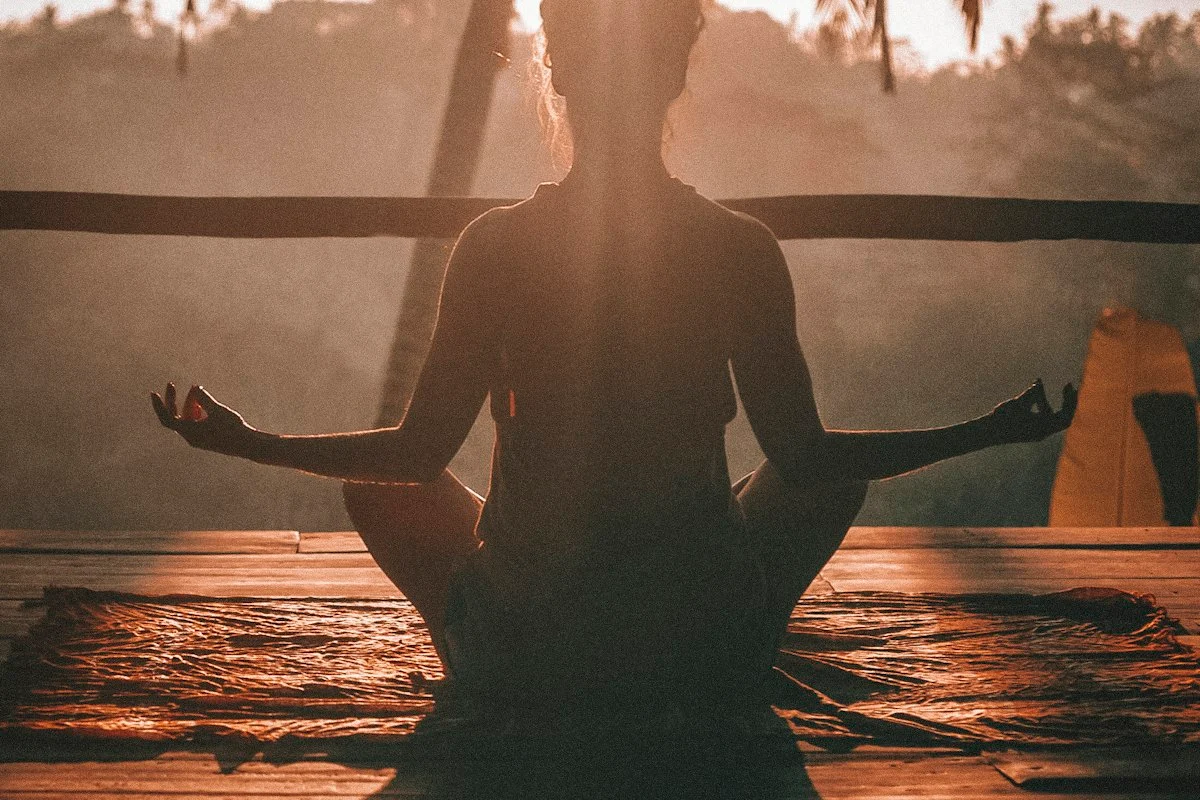
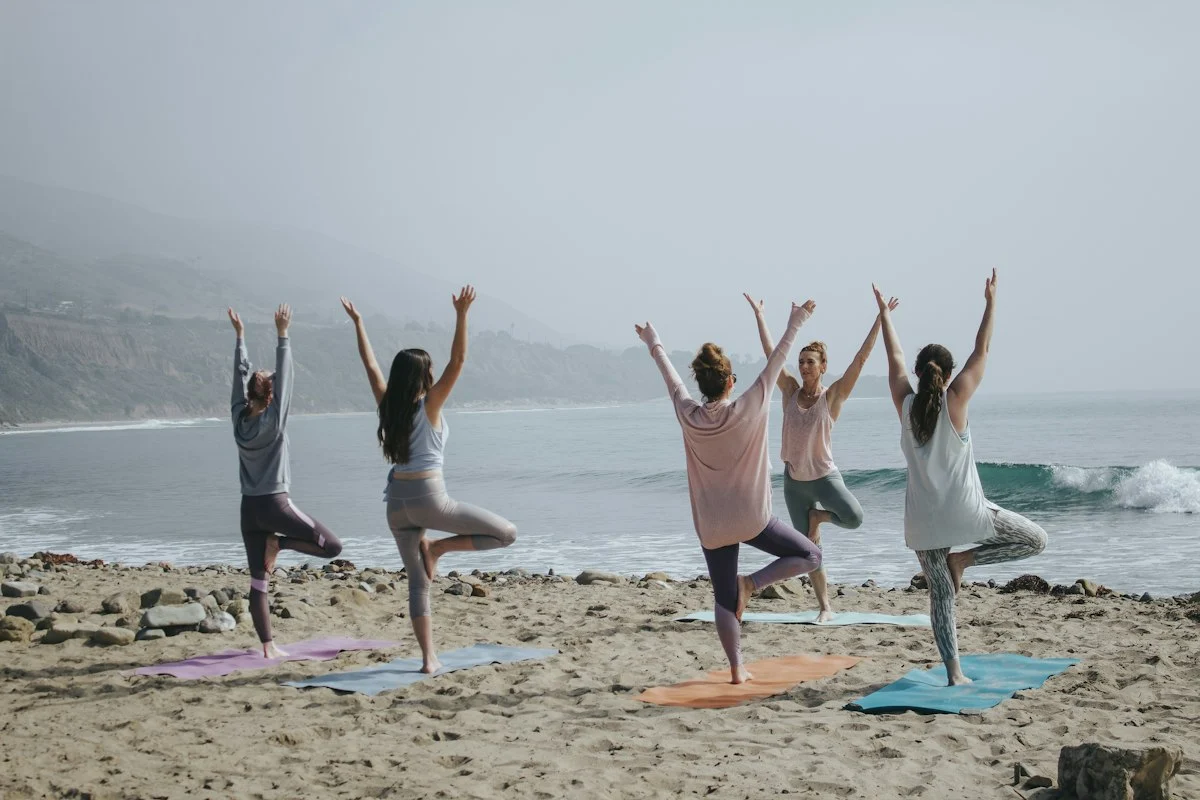
Waking up with a tight lower back, stiff shoulders, and tight hamstrings is one of the most frustrating ways to start the day. After eight hours of immobility in bed, your body’s fascia contracts, synovial joint fluid cools, and spinal discs swell with interstitial fluid. Dedicating just fifteen minutes to a targeted morning yoga routine for stiffness lubricates your joints, awakens your nervous system, and restores effortless mobility before you sit down at your desk.
This gentle, accessible sequence requires no intense contortions or decades of flexibility. Instead, it pairs rhythmic diaphragmatic breathwork with flowing functional postures that systematically untangle tension in your neck, thoracic spine, hips, and calves.
Understanding Morning Fascial Tightness
Fascia is the connective tissue web that encases every muscle, nerve, and organ in your body. When you lie still for hours overnight, collagen cross-links temporarily stiffen in a process known as gelation.
Jumping straight from bed into intense workouts or high-stress commutes can strain tight tissues. A gentle dynamic flow introduces warmth and rhythmic pressure, transforming stiff gel-like fascia into a supple, hydrated matrix.
The 15-Minute Morning Mobility Sequence
Roll out your yoga mat, drink a glass of room-temperature water, and move through these six sequential postures at a slow, deliberate pace.
1. Extended Child’s Pose (Balasana) with Side Reach (2 Minutes)
Kneel on your mat with big toes touching and knees opened wide to the outer edges of the mat. Sit your hips back toward your heels, walk your fingertips forward, and rest your forehead gently on the floor. Take five deep breaths, expanding the back of your ribcage.
Walk both hands over to the top-right corner of your mat to gently stretch your left lat and intercostal muscles. Hold for three breaths, then walk hands over to the left side to balance.
2. Fluid Cat-Cow Flow (Marjaryasana-Bitilasana) (2 Minutes)
Transition onto all fours in a tabletop position with wrists beneath shoulders and knees beneath hips. On an inhale, drop your belly toward the floor, lift your gaze, and broaden across your collarbones (Cow Pose).
On an exhale, press firmly into your palms, tuck your chin toward your chest, and round your spine toward the ceiling (Cat Pose). Continue undulating smoothly for eight full breath cycles.
3. Downward-Facing Dog with Pedal Knees (Adho Mukha Svanasana) (3 Minutes)
From tabletop, tuck your toes, engage your core, and lift your hips up and back into Downward-Facing Dog. Keep your knees generously bent at first to prioritize a long, straight spine over straight legs.
Slowly pedal your feet, pressing your right heel toward the mat while bending the left knee, then alternating. This dynamically stretches the Achilles tendons, calves, and plantar fascia.
| Pose Name | Primary Target Area | Hold Duration / Breath Count | Modification for Stiffness |
|---|---|---|---|
| Child’s Pose | Hips, Lats, Lower Spine | 8–10 Slow Diaphragmatic Breaths | Place a folded blanket under knees |
| Cat-Cow Flow | Thoracic & Lumbar Mobility | 8 Complete Breathing Cycles | Keep elbows slightly soft |
| Downward Dog | Hamstrings, Calves, Shoulders | 10 Breaths with alternating pedals | Bend knees generously |
| Low Lunge | Psoas, Hip Flexors, Quads | 5 Breaths per side | Cushion back knee with a towel |
| Ragdoll Fold | Hamstrings, Cervical Spine Release | 8 Breaths, holding opposite elbows | Bend knees until ribs touch thighs |
| Seated Twist | Spine Rotation, Glutes, Chest | 5 Breaths per side | Sit on a folded yoga block |
4. Low Lunge with Heart Opening (Anjaneyasana) (3 Minutes)
Step your right foot forward between your hands, aligning your front knee over your ankle. Lower your left back knee to the floor (cushion it with a blanket if needed).
Inhale and sweep your arms upward, drawing your tailbone down while lifting your chest to gently stretch the front of your left hip flexor and psoas. Hold for five breaths, then switch legs.
5. Standing Ragdoll Forward Fold (Uttanasana) (3 Minutes)
Step both feet forward to the top of your mat, separating them hip-width apart. Bend your knees deeply so your torso rests comfortably against your thighs.
Grasp opposite elbows with opposite hands and let your head and neck hang completely loose like a pendulum. Gently sway side to side to release compression along your lumbar spine.
6. Seated Spinal Twist (Ardha Matsyendrasana) (2 Minutes)
Come to a comfortable seated position on your mat. Place your right foot flat on the outside of your left thigh. Inhale to lengthen your spine tall, and exhale to gently twist your torso toward the right, placing your right fingertips behind your hip.
Breathe into your abdomen for five cycles, then unwind and repeat on the opposite side to balance your thoracic rotation.
Integrating Movement into Your Morning Routine
To make this practice an effortless daily habit, place your rolled-out yoga mat next to your bed the night before. Consistency trumps intensity; fifteen minutes practiced five days a week will transform your physical mobility far more than a single 90-minute weekend class.
Pair this movement with our calming morning strategies in daily habits for mental clarity and explore our strength recommendations in beginner home workout routine. Check out related holistic practices in our Wellness & Fitness and Yoga & Meditation archives. For comprehensive research on musculoskeletal flexibility and therapeutic yoga benefits, read clinical reviews from the National Center for Complementary and Integrative Health.
Breathwork Mechanics: The Diaphragmatic Engine
In Western physical culture, stretching is often treated as a mechanical tug-of-war against tight muscles. In authentic yoga therapy, however, the nervous system dictates muscle tone through the myotatic stretch reflex. If you stretch while holding your breath or breathing shallowly through your chest, your brain interprets the sensation as a physical threat and contracts the muscle defensively to prevent tearing.
To release deep chronic tension:
- Practice 4-Count Nasal Inhalation: Expand your lateral ribcage and belly on a slow count of four, feeling your diaphragm descend.
- Extend Exhalations to 6 Counts: A longer exhalation activates the vagus nerve, signaling the parasympathetic nervous system to release muscle spindle tension and allow joints to soften.
- Never Bounce in End-Range Poses: Ballistic bouncing triggers protective muscle contractions; instead, maintain steady, calm, isometric holds where breath flows naturally.
Pro-Tip Implementation Checklist: Key Takeaways
To ensure seamless long-term adherence and avoid common implementation hurdles, follow this concise operational checklist:
- Phase 1 Assessment: Establish baseline metrics and document existing challenges before purchasing supplies or overhauling routines.
- Phase 2 Incremental Action: Implement one primary change per week rather than attempting an overwhelming simultaneous transformation.
- Phase 3 Environment Calibration: Organize tools, workspace elements, and physical cues so positive behaviors require minimal conscious friction.
- Phase 4 Weekly Audit: Spend five minutes every Sunday assessing what worked, what generated friction, and how to calibrate for the week ahead.
- Phase 5 Community & Accountability: Share your goals and progress with an accountability partner or family member to reinforce long-term consistency.
By anchoring your habits in structured systems rather than transient motivation, you protect your energy, save valuable time, and build sustainable progress that compounds effortlessly month after month.
Frequently Asked Questions
Why do joints and muscles feel so stiff immediately after waking up?
During sleep, physical stillness reduces synovial fluid circulation in joints and allows spinal discs to absorb fluid, temporarily tightening surrounding fascia and tendons.
Should you stretch aggressively first thing in the morning?
No, cold connective tissue is vulnerable to strains; always begin with gentle dynamic mobility flows rather than deep, static end-range stretches.
How long does a morning yoga routine need to be to relieve back stiffness?
Just 12 to 15 minutes of continuous, breath-synchronized movement is sufficient to lubricate spinal joints, lengthen tight hamstrings, and restore healthy blood flow.
Can beginners with zero flexibility practice this morning flow?
Yes, this routine uses accessible postures with modifications like bending knees generously in downward dog and placing hands on yoga blocks during forward folds.
Is it better to do morning yoga before or after breakfast?
Practicing on an empty stomach (or after drinking a glass of water) prevents digestive cramping and allows for deeper abdominal diaphragmatic breathing.