The consumer biometric wearable market has evolved far beyond basic step counters and plastic pedometers. Today, sleek smart rings, sensor-laden fabric wristbands, and advanced GPS smartwatches continuously monitor clinical-grade biometric data: heart rate variability (HRV), continuous blood oxygen saturation (SpO2), nocturnal skin temperature shifts, and micro-movements across sleep stages.
However, choosing the right health tracker can be confusing. Do you want a subtle screenless smart ring, an athletic performance band with deep strain algorithms, or an all-in-one smartwatch that handles phone calls and text messages? In this in-depth top fitness wearables reviewed guide, we analyze the leading devices—Oura Ring, Whoop 4.0, Apple Watch, and Garmin—to help you invest in the wearable that matches your lifestyle.
The Biometric Metrics That Actually Matter
When evaluating wearable trackers, look past vanity metrics like estimated “calories burned” (which can carry error margins of up to 40 percent in commercial devices). Focus instead on the biomarkers that offer clinically validated physiological insights:
- Heart Rate Variability (HRV): The millisecond variance between consecutive heartbeats. High HRV indicates robust parasympathetic nervous system dominance and strong recovery, while a sharp dip signals stress, alcohol consumption, or impending illness.
- Nocturnal Skin Temperature: Monitoring subtle baseline deviations (+/- 0.5°F) provides early warning of immune system activation, systemic inflammation, or menstrual cycle phases.
- Resting Heart Rate (RHR): A lowering resting heart rate over weeks reflects cardiovascular adaptation and improved aerobic fitness.
In-Depth Review of the Top 4 Wearables
1. Oura Ring Gen 3 / 4 (The Ultimate Discreet Health Tracker)
The Oura Ring packs clinical-grade titanium construction and research-grade PPG sensors into an elegant, featherlight band that sits flush against your finger.
- Form Factor: Screenless titanium smart ring (4–6 grams)
- Battery Life: 5 to 7 Days
- Key Strength: Unrivaled sleep and circadian tracking. Because fingers provide closer capillary blood flow than the wrist, Oura delivers exceptional baseline temperature and sleep stage accuracy.
- Limitation: Less suited for heavy barbell deadlifts or kettlebell training, where metal knurling can scratch the ring’s finish. Requires a $5.99/month membership plan.
2. Whoop 4.0 (The Athletic Strain & Recovery Specialist)
Whoop is engineered specifically for athletes, marathoners, and fitness enthusiasts who want to optimize training intensity around physiological recovery.
- Form Factor: Screenless elastic fabric wrist/bicep band
- Battery Life: 4 to 5 Days (Battery pack slides on while wearing)
- Key Strength: The Whoop Strain and Recovery algorithm is the most sophisticated in the consumer space. It quantifies daily cardiovascular load and calculates your exact sleep need to balance prior day exertion.
- Limitation: Pure membership pricing ($30/month or $239/year); provides zero clock display or smartwatch functionality.
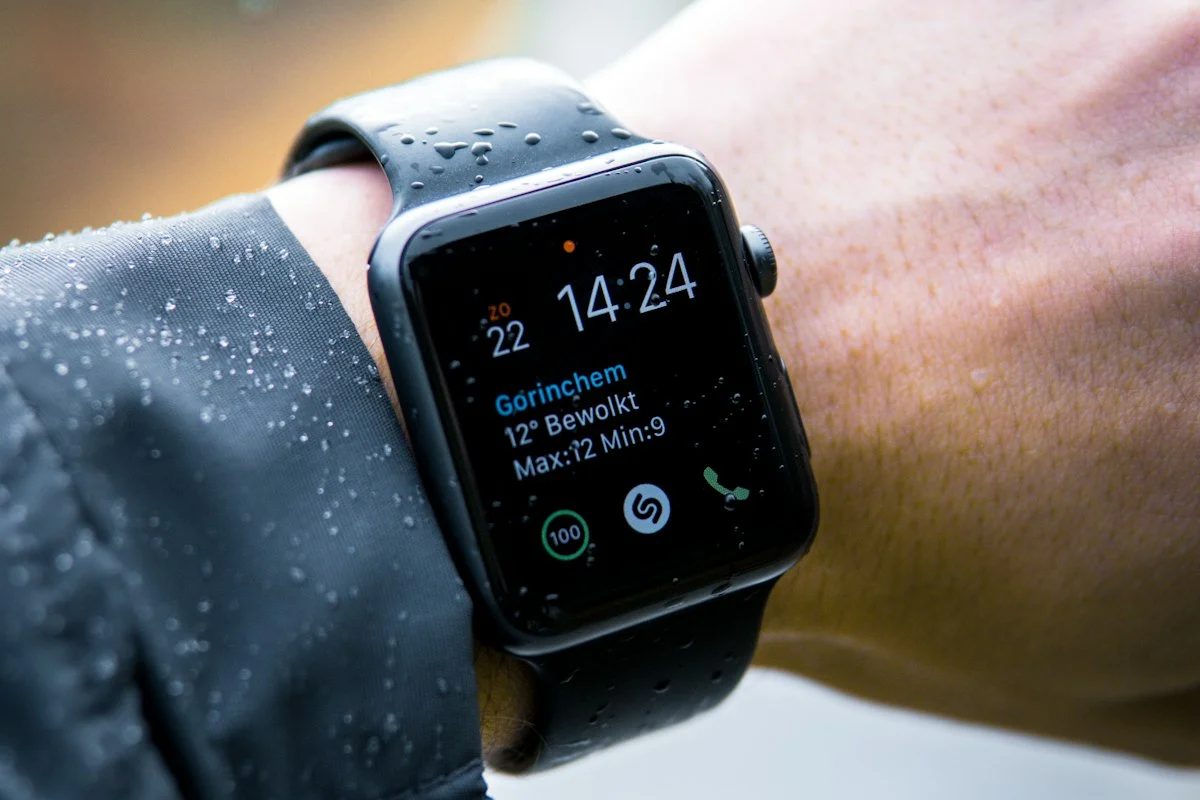
3. Apple Watch Series 10 / Ultra 2 (The Best All-Around Smartwatch)
Apple has developed one of the most accurate optical heart rate sensors ever tested in scientific literature, paired with a vibrant OLED display and life-saving features like ECG and sleep apnea notifications.
- Form Factor: Full smartwatch with touchscreen display
- Battery Life: 18 to 36 Hours (Requires daily charging)
- Key Strength: Comprehensive ecosystem integration (Apple Health, Fitness+, Apple Pay, cellular calls). Exceptional sensor precision during high-intensity interval training.
- Limitation: Short battery life necessitates daily charging routines, which can complicate consistent overnight sleep tracking.
4. Garmin Forerunner 265 / Fenix 7 (The Endurance Athlete’s Companion)
Garmin remains the gold standard for runners, cyclists, triathletes, and outdoor adventurers who demand multi-band GPS precision and weeks of battery endurance.
- Form Factor: Rugged outdoor smartwatch with buttons/touchscreen
- Battery Life: 10 to 18 Days (Weeks in solar models)
- Key Strength: Unrivaled outdoor GPS routing, detailed training readiness metrics, and completely membership-free ownership.
- Limitation: Sleep stage staging is slightly less refined than Oura, and the companion app interface carries a steeper learning curve.
| Device Model | Primary Strength | Battery Endurance | Membership Fee | Ideal User Persona |
|---|---|---|---|---|
| Oura Ring Gen 3 | Sleep & Recovery Accuracy | 5–7 Days | $5.99 / Month | Health-conscious professionals, biohackers |
| Whoop 4.0 | Daily Strain & Sleep Debt | 4–5 Days | $239 / Year | Dedicated athletes, CrossFitters, runners |
| Apple Watch Series 10 | Sensor Accuracy & Smartwatch | 18–36 Hours | None (Free App) | iPhone users wanting a single do-it-all device |
| Garmin Forerunner 265 | Multi-Band GPS & Training Load | 13 Days | None (Free App) | Marathoners, triathletes, outdoor adventurers |

How to Choose the Perfect Wearable for You
- Buy the Oura Ring if you dislike wearing wristwatches to bed, value elegant design, and want the most frictionless sleep and readiness tracking available.
- Buy Whoop 4.0 if you are training for endurance events or crossfit competitions and want to know exactly how hard you can push your body each day.
- Buy the Apple Watch if you want seamless everyday smartwatch features, notifications, and emergency fall detection alongside excellent health tracking.
- Buy a Garmin if you are an avid outdoor runner or hiker who hates charging devices and demands deep GPS pacing metrics.
Connect your biometric tracking with our sleep optimization advice in science-backed sleep hygiene and build strength with beginner home workout routine. Explore more reviews in Tech & Gadgets and Wearables. For clinical accuracy studies comparing commercial wearables to polysomnography, consult research published by the Journal of Medical Internet Research and the Digital Medicine Society.
Data Interpretation: Moving from Tracking to Action
Collecting gigabytes of biometric data is useless if it does not change your daily behavior. The greatest trap in wearable tech is “data voyeurism”—obsessively checking your sleep scores every morning without implementing tangible lifestyle interventions.
How to turn metrics into behavioral action:
- If Recovery / HRV Drops 20% Below Baseline: Shift your workout from high-intensity intervals to a gentle restorative walk or mobility session; cut alcohol and prioritize an early bedtime.
- If Resting Heart Rate is Elevated 5+ BPM Over Baseline: Your body is fighting an active stressor (dehydration, viral infection, or overtraining). Increase fluid intake and add a 15-minute afternoon NSDR rest block.
- If REM Sleep is Sub-Optimal (< 15% of Total Sleep): Eliminate alcohol within four hours of sleep and evaluate room temperature and evening screen exposure.
Advanced Biometric Protocols: Training Around Heart Rate Variability
Athletes and busy professionals can unlock immense value by aligning daily training intensity with morning Heart Rate Variability readings rather than sticking to a rigid workout calendar:
- High Recovery Days (HRV > 10% Above Baseline): Schedule your most demanding training sessions—heavy squats, high-intensity intervals, or challenging aerobic tempo runs—when your autonomic nervous system is fully primed to adapt.
- Moderate Recovery Days (HRV Within Normal Baseline): Perform standard aerobic base training, moderate strength maintenance, or skill acquisition.
- Low Recovery Days (HRV > 10% Below Baseline): Downshift immediately to restorative yoga, gentle outdoor walking, hydration, and an early bedtime to facilitate systemic parasympathetic recovery.
Long-Term Biometric Ownership and Ecosystem Lock-In
Additionally, consider your long-term commitment to hardware ecosystems. Devices that lock biometric health records behind high monthly paywalls can become expensive burdens over multiple years, whereas paywall-free alternatives provide enduring value and full ownership of your personal health metrics.
Investing in a wearable that gives you direct access to raw CSV export data ensures your longitudinal health trends belong entirely to you, regardless of whether you change smartphone platforms or upgrade hardware down the road. Establishing a consistent charging habit—such as charging while taking your morning shower—guarantees continuous tracking without missing crucial overnight sleep metrics.
Frequently Asked Questions
Which fitness wearable has the most accurate sleep stage tracking?
Clinical validation studies show that the Oura Ring Gen 3 and Apple Watch Series 10 achieve the highest concordance (75–80%) with medical polysomnography (PSG) sleep studies.
What is Heart Rate Variability (HRV) and why is it important to track?
HRV measures the subtle millisecond variation between consecutive heartbeats; a higher baseline HRV reflects a balanced, adaptive parasympathetic nervous system and strong recovery.
Is Whoop 4.0 worth the ongoing monthly membership fee?
Whoop is worth the cost for dedicated athletes and biohackers who prioritize daily strain coaching and sleep debt tracking, but casual fitness enthusiasts will prefer fee-free hardware.
How does the battery life of smart rings compare to traditional smartwatches?
Smart rings like the Oura Ring lack energy-draining glowing displays and typically last 5 to 7 days on a single charge, compared to 1 to 2 days for feature-rich smartwatches like the Apple Watch.
Can fitness wearables detect early signs of illness before symptoms appear?
Yes, subtle shifts in continuous overnight skin temperature and resting heart rate spikes often signal viral immune activation 24 to 48 hours before physical symptoms surface.