

We live in an era of continuous sensory ingestion. From the second our eyes open, we consume podcasts, news feeds, text messages, algorithmic videos, and work notifications. We rarely allow our minds the quiet space required for cognitive digestion. When thoughts, anxieties, and ambitions remain locked inside your head, they swirl into an exhausting mental fog.
Adopting a practice of daily journaling prompts for clarity is the ultimate cognitive palate cleanser. You do not need to be a published author, nor do you need to write pages of poetic prose. Spending just five quiet minutes each morning with a notebook externalizes emotional friction, clarifies priorities, and grounds your day in intentional presence.
The Therapeutic Value of Expressive Writing
Pioneered in clinical research by psychologist Dr. James Pennebaker, expressive writing demonstrates that translating emotional experiences into written words physically alters neural processing.
When thoughts remain unwritten, the amygdala (the brain’s emotional threat center) remains hyperactive. Putting feelings onto paper recruits the prefrontal cortex, transforming vague, amorphous emotional anxiety into structured linguistic concepts that your rational brain can process and release.

Five High-Leverage Daily Journaling Prompts
When you open your journal each morning, bypass the paralysis of the blank page by using these five targeted prompts:
1. The Cognitive Brain Dump
“What thoughts, tasks, or worries are currently taking up space in my mind?”
Write continuously for two minutes without stopping. List every nagging chore, conversational replay, and professional anxiety. Once it is on paper, your working memory can finally exhale.
2. The Clarity of the Single Priority
“If I could only accomplish one single task today to feel proud, what would it be?”
Our to-do lists are often overcrowded with low-value busywork. Forcing yourself to identify one primary focus forces strategic prioritization and eliminates the illusion that everything is equally urgent.
3. The Stoic Reality Check
“What is currently outside my control today, and how will I choose to respond to it?”
Grounded in ancient Stoic philosophy, this prompt separates external circumstances (traffic, coworkers’ moods, economic news) from your internal agency (your reactions, preparation, and dignity).
4. Specific, Micro-Gratitude
“What is one tiny, specific sensory detail from the last 24 hours that brought me genuine joy?”
Avoid generic answers like “my family” or “my health.” Focus on micro-moments: the rich aroma of freshly ground coffee, the warmth of morning sun on your neck, or a funny joke shared with a friend. Specificity is what rewires your neural pathways.
5. The Evening Reflection
“Where did I experience friction or hesitation today, and what did it teach me?”
Spend two minutes at the end of your day reflecting on moments of resistance. Friction is not a failure; it is valuable data pointing toward habits and boundaries that need adjustment.
| Journaling Framework | Time Commitment | Best Time of Day | Primary Psychological Outcome |
|---|---|---|---|
| Morning Brain Dump | 3–5 Minutes | Upon waking | Clears working memory & reduces anxiety |
| One Priority Focus | 1 Minute | Before starting work | Eliminates reactive to-do list drift |
| Stoic Contemplation | 3 Minutes | Midday reset | Restores emotional equanimity & poise |
| Micro-Gratitude Log | 2 Minutes | Morning or evening | Counteracts evolutionary negativity bias |
| Evening Review | 3 Minutes | Before sleep | Synthesizes daily lessons & aids closure |
Creating a Sustainable Journaling Ritual
The most common reason people abandon journaling is over-complication. Do not purchase an elaborate, rigid planner that demands half an hour of complex tracking each day.
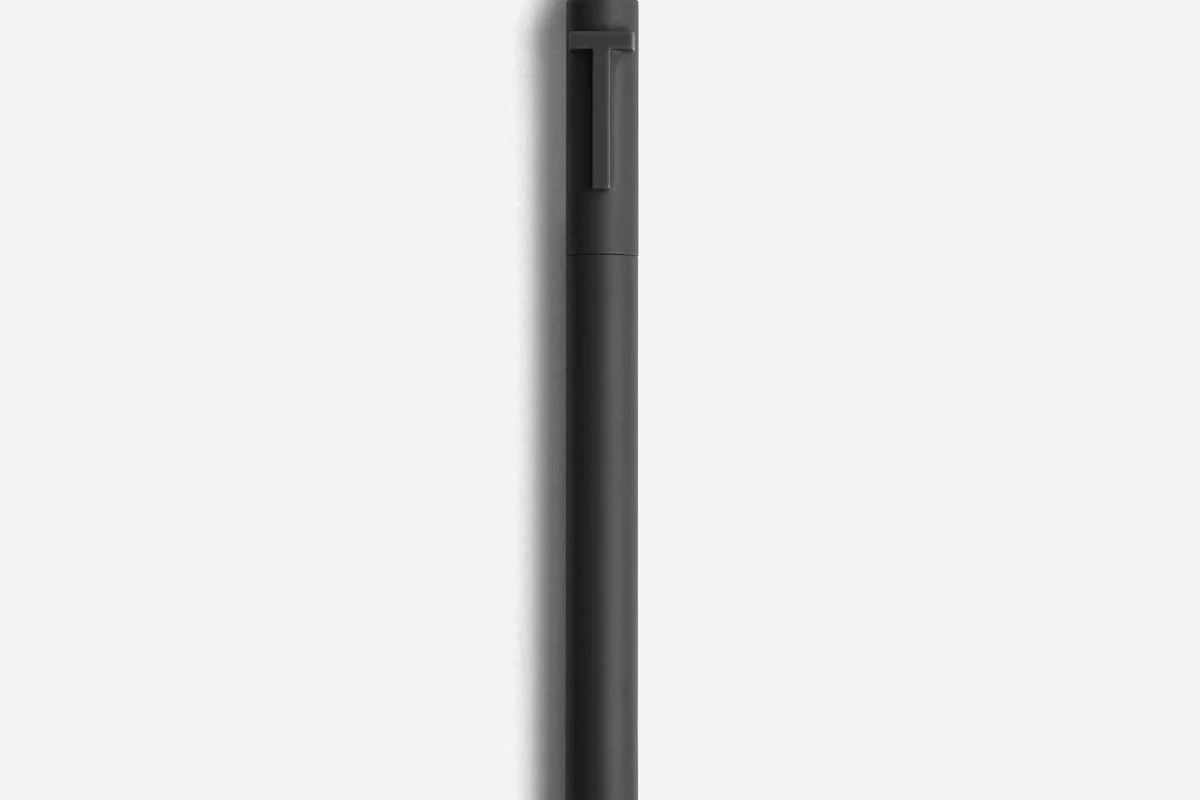
Choose a simple, beautiful unlined or dot-grid notebook with high-quality paper and a pen that glides effortlessly. Keep your notebook resting on your bedside table or next to your coffee kettle. Make opening the notebook your cue to take three deep belly breaths and check in with yourself.
Pair your reflective practice with our habit frameworks in atomic daily habits routine and explore our mental health strategies in daily habits for mental clarity. Explore more guides in Personal Growth & Productivity and Journaling. For clinical literature on expressive writing therapy and cognitive health, visit the Center for Journal Therapy and the American Psychological Association.
Longitudinal Reflection: The Quarterly Journal Audit
One of the most profound benefits of keeping a physical journal is the ability to look back across months and detect subconscious emotional patterns that are invisible in day-to-day life.
Every three months, spend an hour reading back through your past entries with a yellow highlighter:
- Highlight Recurring Friction Points: If the same colleague, task, or lifestyle friction appears in your journal eight times over ninety days, it is no longer an isolated bad day—it is a systemic issue demanding a difficult conversation or lifestyle boundary.
- Recognize Forgotten Progress: Humans naturally adapt to improvements, quickly forgetting how far they have come. Reading entries from six months ago highlights the challenges you have successfully navigated, building deep self-efficacy.
Pro-Tip Implementation Checklist: Key Takeaways
To ensure seamless long-term adherence and avoid common implementation hurdles, follow this concise operational checklist:
- Phase 1 Assessment: Establish baseline metrics and document existing challenges before purchasing supplies or overhauling routines.
- Phase 2 Incremental Action: Implement one primary change per week rather than attempting an overwhelming simultaneous transformation.
- Phase 3 Environment Calibration: Organize tools, workspace elements, and physical cues so positive behaviors require minimal conscious friction.
- Phase 4 Weekly Audit: Spend five minutes every Sunday assessing what worked, what generated friction, and how to calibrate for the week ahead.
- Phase 5 Community & Accountability: Share your goals and progress with an accountability partner or family member to reinforce long-term consistency.
By anchoring your habits in structured systems rather than transient motivation, you protect your energy, save valuable time, and build sustainable progress that compounds effortlessly month after month.
Frequently Asked Questions
What should you write about when staring at a blank journal page?
Start with a simple sensory check-in: 'Right now my body feels... What is occupying my mind is... Today I will focus on...' to break psychological inertia.
Is analog paper journaling better than digital journaling apps?
Writing by hand engages deeper tactile neural pathways, slows down cognitive processing, and eliminates screen notifications that trigger distraction during reflection.
What is the 'Morning Pages' journaling technique?
Developed by Julia Cameron, Morning Pages involves writing three pages of unfiltered, stream-of-consciousness thoughts longhand immediately upon waking to clear subconscious clutter.
How does gratitude journaling rewire cognitive patterns?
Documenting specific moments of gratitude counteracts the human brain’s evolutionary negativity bias, stimulating dopamine and serotonin pathways linked to subjective wellbeing.
How long does a journaling habit take to produce noticeable mental clarity?
Psychological studies indicate that just 5 to 10 minutes of daily expressive writing for two consecutive weeks significantly lowers cortisol and intrusive anxious thoughts.