The wellness industry is inundated with sensational claims about exotic powders, rare Amazonian berries, and expensive green tonics claiming to detoxify your liver and reverse aging overnight. The word “superfood” has become one of the most commercially exploited buzzwords in the food landscape. Yet beneath the marketing noise lies genuine biochemical truth: certain whole foods possess extraordinarily dense concentrations of polyphenols, micronutrients, and functional compounds that systematically support human longevity.
Finding daily superfoods worth eating is not about spending forty dollars on imported algae powders at a specialty boutique. The most clinically validated, nutrient-dense foods on earth are accessible, unpretentious, and available in any standard neighborhood supermarket. Here is what peer-reviewed research actually reveals about the foods that move the needle on cellular health.
The Science of Phytochemical Density
Unlike macronutrients (protein, fat, carbohydrates) which provide raw caloric fuel, phytochemicals are bioactive non-nutritive compounds produced by plants to defend themselves against UV radiation, pests, and oxidative stress.
When humans consume these phytochemicals, they trigger beneficial hormetic stress pathways inside our cells, activating the Nrf2 pathway, up-regulating endogenous antioxidant production (like glutathione), and blunting systemic chronic inflammation.
Five Clinically Validated Daily Superfoods
Incorporate these five research-backed functional foods into your everyday meals:
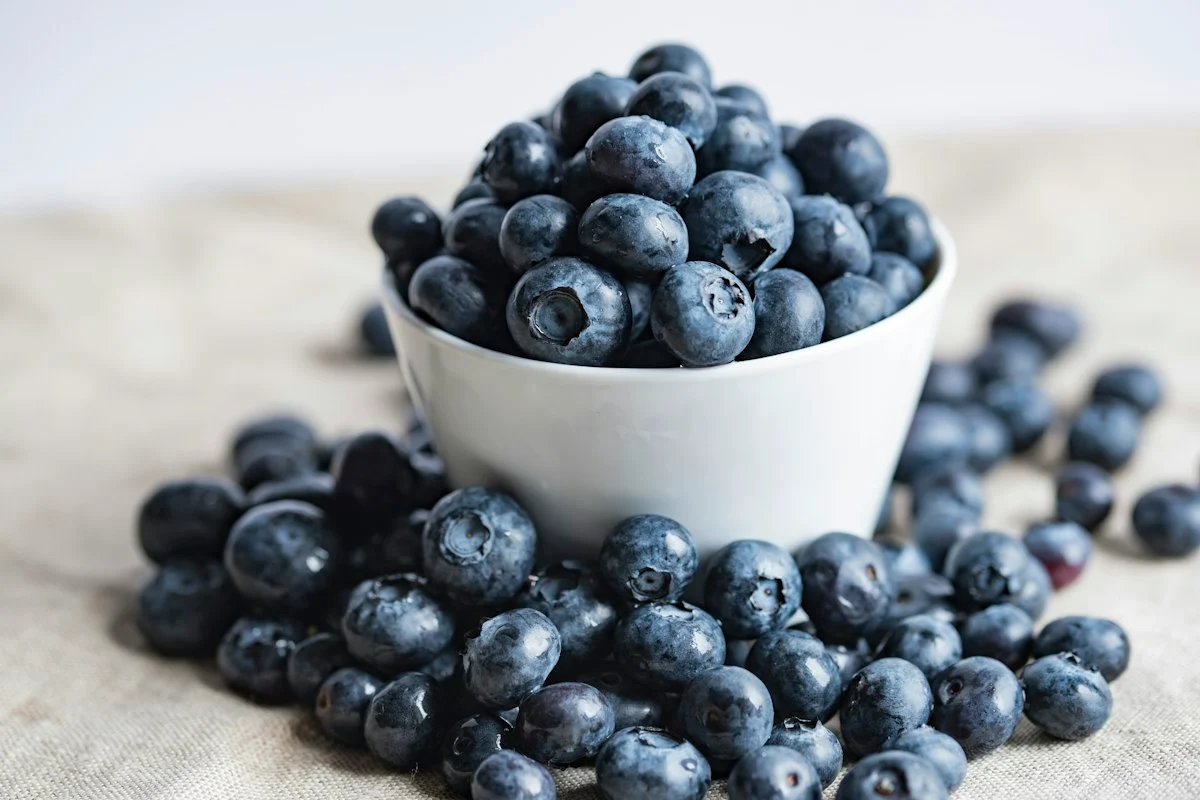
1. Wild Blueberries and Dark Berries (Anthocyanins)
Dark blue and purple berries contain concentrated levels of anthocyanins—potent flavonoid antioxidants. Clinical trials published in the American Journal of Clinical Nutrition indicate that regular consumption of dark berries improves endothelial function, lowers blood pressure, and crosses the blood-brain barrier to enhance spatial memory.
- Daily Dose: 1/2 to 1 cup of fresh or frozen wild blueberries added to your morning oatmeal or yogurt.
2. Ground Flaxseeds and Chia Seeds (ALA Omega-3 & Lignans)
Flaxseeds are the richest dietary source of lignans—phytoestrogens that modulate hormone metabolism and have been linked to reduced risks of cardiovascular disease. They are also packed with alpha-linolenic acid (ALA), an essential plant-based Omega-3 fatty acid.
- Daily Dose: 1 to 2 tablespoons of freshly ground flaxseed meal stirred into smoothies, oatmeal, or baking batters.
3. Fermented Foods (Live Probiotic Cultures)
A landmark study from the Stanford School of Medicine demonstrated that a diet rich in traditionally fermented foods (kefir, sauerkraut, kimchi, plain Greek yogurt) increased gut microbial diversity and reduced 19 inflammatory blood markers.
- Daily Dose: 2 to 3 servings daily (e.g., 2 tablespoons of raw unpasteurized sauerkraut with lunch and a cup of kefir).
| Superfood | Primary Active Bioactive | Key Clinical Benefit | Everyday Culinary Application |
|---|---|---|---|
| Wild Blueberries | Anthocyanins & Flavonols | Vascular elasticity & cognitive protection | Oatmeal, smoothies, chia pudding |
| Ground Flaxseeds | Lignans & ALA Omega-3s | Hormone balance & LDL reduction | Stirred into morning porridge |
| Raw Sauerkraut / Kimchi | Live lactic acid bacteria | Increases microbiome diversity | Side garnish with eggs or grain bowls |
| Dark Leafy Greens | Lutein, Folate, Nitrates | Endothelial nitric oxide & eye health | Massaged kale salads, green scrambles |
| Turmeric + Black Pepper | Curcumin + Piperine | Blunts NF-kB inflammatory signaling | Golden milk, lentil dahl, roasted veg |
4. Dark Leafy Greens (Kale, Arugula, Watercress)
Dark leafy greens are rich in dietary nitrates, which convert into nitric oxide in your blood vessels, improving arterial dilation and athletic endurance. They are also packed with lutein and zeaxanthin, carotenoids that concentrate in the macular pigment of the eye, protecting against digital blue-light strain and age-related macular degeneration.
- Daily Dose: 2 cups of raw dark greens or 1 cup of steamed greens daily.
5. Turmeric Root with Black Pepper (Curcumin & Piperine)
Curcumin, the primary bioactive polyphenol in turmeric root, has been studied in thousands of trials for its ability to down-regulate the master inflammatory switch NF-kB.
Because curcumin has naturally poor oral bioavailability, always consume it with a pinch of black pepper; piperine increases curcumin absorption by up to 2,000 percent. Pair with healthy culinary fats like extra virgin olive oil or coconut milk to aid intestinal uptake.
Building a Sustainable Superfood Ritual
You do not need to overhaul your entire diet overnight. Start by adding one functional food to your existing daily routine. Add two tablespoons of ground flaxseed to your morning cereal, or keep a jar of kimchi in your fridge to spoon beside dinner.
Complement your nutrition plan with our recipes in high-protein plant-based recipes and budget-friendly shopping tips in healthy groceries on a budget. Explore our full repository in Food & Nutrition and Superfoods. For peer-reviewed nutritional research, consult monographs from the Linus Pauling Institute Micronutrient Information Center and the National Institutes of Health Office of Dietary Supplements.
Culinary Synergy: How Food Combining Amplifies Potency
Nutritional science is increasingly moving away from studying isolated vitamins toward understanding food synergy—the phenomenon where two whole foods consumed together produce exponentially greater biological benefits than either food eaten in isolation.
Three scientifically proven superfood combinations:
- Turmeric + Black Pepper + Olive Oil: Curcumin is fat-soluble and poorly absorbed on its own. Piperine from black pepper blocks glucuronidation, while healthy lipids in olive oil dissolve curcumin for lymphatic absorption, increasing bioavailability up to 2,000 percent.
- Tomatoes + Extra Virgin Olive Oil: Lycopene, the red carotenoid in cooked tomatoes linked to cardiovascular protection, is fat-soluble. Simmering tomatoes in extra virgin olive oil increases lycopene absorption by over 80 percent compared to raw tomatoes.
- Green Tea + Fresh Lemon Juice: The vitamin C and citric acid in fresh lemon juice stabilize green tea catechins (EGCG) through the digestive tract, allowing up to five times more active polyphenols to enter your bloodstream.
Pro-Tip Implementation Checklist: Key Takeaways
To ensure seamless long-term adherence and avoid common implementation hurdles, follow this concise operational checklist:
- Phase 1 Assessment: Establish baseline metrics and document existing challenges before purchasing supplies or overhauling routines.
- Phase 2 Incremental Action: Implement one primary change per week rather than attempting an overwhelming simultaneous transformation.
- Phase 3 Environment Calibration: Organize tools, workspace elements, and physical cues so positive behaviors require minimal conscious friction.
- Phase 4 Weekly Audit: Spend five minutes every Sunday assessing what worked, what generated friction, and how to calibrate for the week ahead.
- Phase 5 Community & Accountability: Share your goals and progress with an accountability partner or family member to reinforce long-term consistency.
By anchoring your habits in structured systems rather than transient motivation, you protect your energy, save valuable time, and build sustainable progress that compounds effortlessly month after month.
Frequently Asked Questions
What is the scientific definition of a superfood?
While 'superfood' is a marketing term rather than an official FDA classification, nutrition scientists use it to describe whole foods with exceptionally high nutrient density per calorie.
Why are wild blueberries considered superior to cultivated standard blueberries?
Wild blueberries are smaller, have a higher skin-to-pulp ratio, and contain up to double the concentration of anthocyanin antioxidants compared to larger cultivated blueberries.
Do you need to grind flaxseeds to absorb their nutritional benefits?
Yes, whole flaxseeds have a tough outer cellulose hull that passes through human digestion intact; grinding them into meal unlocks their bioavailable ALA Omega-3s and lignans.
How does black pepper enhance the absorption of turmeric curcumin?
Piperine, the active alkaloid in black ground pepper, inhibits hepatic and intestinal glucuronidation, increasing curcumin absorption into the bloodstream by up to 2,000 percent.
How much fermented food should you eat daily for optimal gut microbiome diversity?
Clinical trials demonstrate that consuming 2 to 3 small servings (such as two tablespoons of sauerkraut or four ounces of kefir) daily significantly increases microbial diversity.