With grocery prices soaring, many shoppers believe they are forced into an agonizing trade-off: spend exorbitant sums on organic health foods, or save money by buying ultra-processed convenience items filled with sodium, refined sugars, and preservatives. Learning how to buy healthy groceries on a budget proves that this dilemma is completely false.
Eating a wholesome, nutrient-dense diet is not a luxury reserved for upscale specialty markets. By identifying inexpensive whole-food staples, understanding grocery store psychology, and shopping with strategic culinary intention, you can cut your monthly food spending by 30 to 50 percent while eating better than ever.
The Foundation: Building a Low-Cost Whole-Food Pantry
The secret to affordable healthy cooking lies in building a pantry centered on whole, unprocessed agricultural staples. The most nutritious foods on earth—dry legumes, whole grains, root vegetables, and frozen greens—are consistently among the cheapest items per pound in any grocery store.
The Powerhouse Budget Staples
- Dry Legumes (Lentils, Chickpeas, Black Beans): Costing around $1.50 per dry pound (which yields nearly six cups of cooked beans), dry legumes deliver immense soluble fiber, plant protein, and iron for pennies per serving.
- Whole Grains (Rolled Oats, Brown Jasmine Rice, Pearl Barley): A 5-pound bag of whole rolled oats costs under $5 and provides thirty breakfasts packed with cholesterol-lowering beta-glucan fiber.
- Sturdy Storage Vegetables (Carrots, Cabbage, Onions, Sweet Potatoes): Unlike delicate bagged salad greens that turn to slime within four days, green cabbage and sweet potatoes last for weeks in your refrigerator or cool pantry.
Strategic Supermarket Shopping Rules
Supermarkets are meticulously engineered environments designed by behavioral psychologists to coax you into impulse purchases. Fight back with these proven consumer rules:
1. Shop the Perimeter, Audit the Center
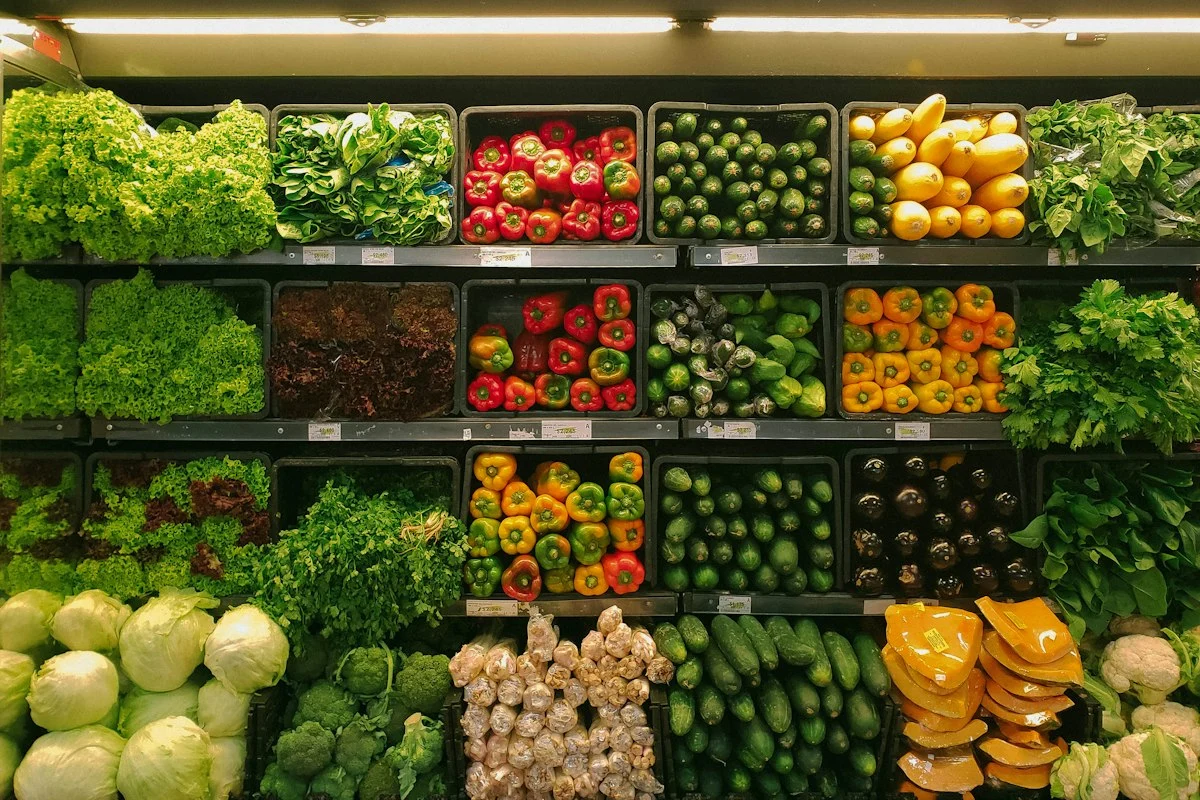
The outer perimeter of the supermarket houses whole fresh foods: produce, meat and seafood, eggs, and dairy. The center aisles house packaged goods with long shelf lives and heavy marketing markups.
Venture into the center aisles only for your predetermined staple checklist: canned tomatoes, dry beans, grains, olive oil, and spices. Avoid the brightly colored end-cap displays entirely.
2. The Frozen Section Advantage
Fresh berries and broccoli shipped thousands of miles in winter are expensive and often flavorless. Head to the freezer aisle: flash-frozen berries, spinach, green peas, and edamame are picked at peak ripeness and frozen within hours, locking in cellular vitamins at half the price of fresh out-of-season produce.
3. Check Price-Per-Ounce, Not Total Sticker Price
Always look at the small “Unit Price” (price per ounce, pound, or 100g) on the shelf label. A smaller $3 bag of rice may seem cheaper than a $7 bag, but the larger bag often costs 40 percent less per pound. If you have the storage space, buy dry staples in bulk.
| Budget Food Item | Average Cost per Serving | Key Nutritional Contribution | Culinary Versatility |
|---|---|---|---|
| Dry Brown Lentils | $0.18 | 18g Protein, 16g Fiber, Iron | Soups, curries, veggie bolognese |
| Rolled Oats | $0.15 | Beta-glucan fiber, Magnesium, Zinc | Oatmeal, baking, smoothies |
| Canned Sardines | $1.20 | 22g Protein, High Omega-3s, Calcium | Toast toppers, salads, pasta puttanesca |
| Whole Carrots | $0.20 | Beta-carotene (Vitamin A), Fiber | Roasting, soups, raw dipping snacks |
| Frozen Wild Blueberries | $0.65 | Anthocyanins, Antioxidants | Overnight oats, yogurt bowls |
| Block Firm Tofu | $0.90 | 20g Complete Protein, Calcium | Stir-fries, scrambles, sheet pan bakes |
The “Zero-Waste” Kitchen Philosophy
The most expensive groceries are the ones you throw into the compost bin. The average American household wastes roughly 30 percent of the food it purchases, essentially throwing hundreds of dollars into the trash each month.
Practice nose-to-tail vegetable cooking:
- Vegetable Scrap Broth: Save onion skins, carrot peels, celery ends, and mushroom stems in a gallon freezer bag. When the bag is full, simmer it in water for 45 minutes with a bay leaf to make rich homemade vegetable stock for free.
- Herb Preservation: If fresh cilantro or parsley starts to droop, blend it with olive oil and garlic, then freeze in ice cube trays for instant cooking flavor bases.
- Reviving Limp Vegetables: Submerge wilted celery, carrots, or radishes in an ice water bath for thirty minutes; cellular turgor pressure will restore their crispness.
Connect your kitchen habits with our sunday meal prep for beginners and explore our pantry layouts in pantry organization system. Browse more budget tips in Food & Nutrition and Budget Cooking. For federal nutritional assistance and thrifty food plans, consult resources from the USDA Center for Nutrition Policy and Promotion.
Seasonal Calendar and Community Supported Agriculture
Grocery prices for fresh fruits and vegetables fluctuate dramatically based on seasonal growing cycles. Purchasing strawberries in December means paying hefty air-freight transport markups for berries that lack flavor and nutrients.
Mastering the seasonal produce calendar:
- Spring: Asparagus, radishes, spinach, peas, and green onions are at their lowest cost-per-pound and peak nutrient density.
- Summer: Tomatoes, zucchini, bell peppers, sweet corn, berries, and stone fruits drop significantly in price.
- Autumn: Apples, pears, winter squashes, sweet potatoes, and Brussels sprouts flood markets in abundant, affordable volume.
- Winter: Root vegetables (carrots, parsnips, turnips), hardy cabbages, and citrus fruits provide exceptional value per pound.
Pro-Tip Implementation Checklist: Key Takeaways
To ensure seamless long-term adherence and avoid common implementation hurdles, follow this concise operational checklist:
- Phase 1 Assessment: Establish baseline metrics and document existing challenges before purchasing supplies or overhauling routines.
- Phase 2 Incremental Action: Implement one primary change per week rather than attempting an overwhelming simultaneous transformation.
- Phase 3 Environment Calibration: Organize tools, workspace elements, and physical cues so positive behaviors require minimal conscious friction.
- Phase 4 Weekly Audit: Spend five minutes every Sunday assessing what worked, what generated friction, and how to calibrate for the week ahead.
- Phase 5 Community & Accountability: Share your goals and progress with an accountability partner or family member to reinforce long-term consistency.
By anchoring your habits in structured systems rather than transient motivation, you protect your energy, save valuable time, and build sustainable progress that compounds effortlessly month after month.
Frequently Asked Questions
Are frozen fruits and vegetables just as nutritious as fresh produce?
Yes, flash-frozen fruits and vegetables are picked at peak ripeness and frozen within hours, often retaining higher vitamin and antioxidant levels than fresh produce shipped long distances.
What are the most cost-effective protein sources per gram at the grocery store?
Dry lentils, dry black and pinto beans, whole eggs, canned sardines, canned tuna, and block extra-firm tofu provide the lowest cost-per-gram of bioavailable protein.
How do you prevent fresh produce from spoiling before you can eat it?
Do not wash produce until right before eating, wrap leafy greens in a clean dry kitchen towel inside the crisper bin, and store ethylene-producing fruits like bananas away from apples.
Is it worth buying organic produce on a tight grocery budget?
Prioritize buying organic only for the 'Dirty Dozen' (strawberries, spinach, grapes), while saving money by purchasing conventional produce for thick-skinned items on the 'Clean Fifteen' (avocados, onions).
How does meal planning directly reduce weekly grocery expenditures?
Creating a strict recipe plan prevents impulse purchasing, eliminates duplicate ingredient purchases, and ensures that fresh items like herbs and spinach are used across multiple meals.