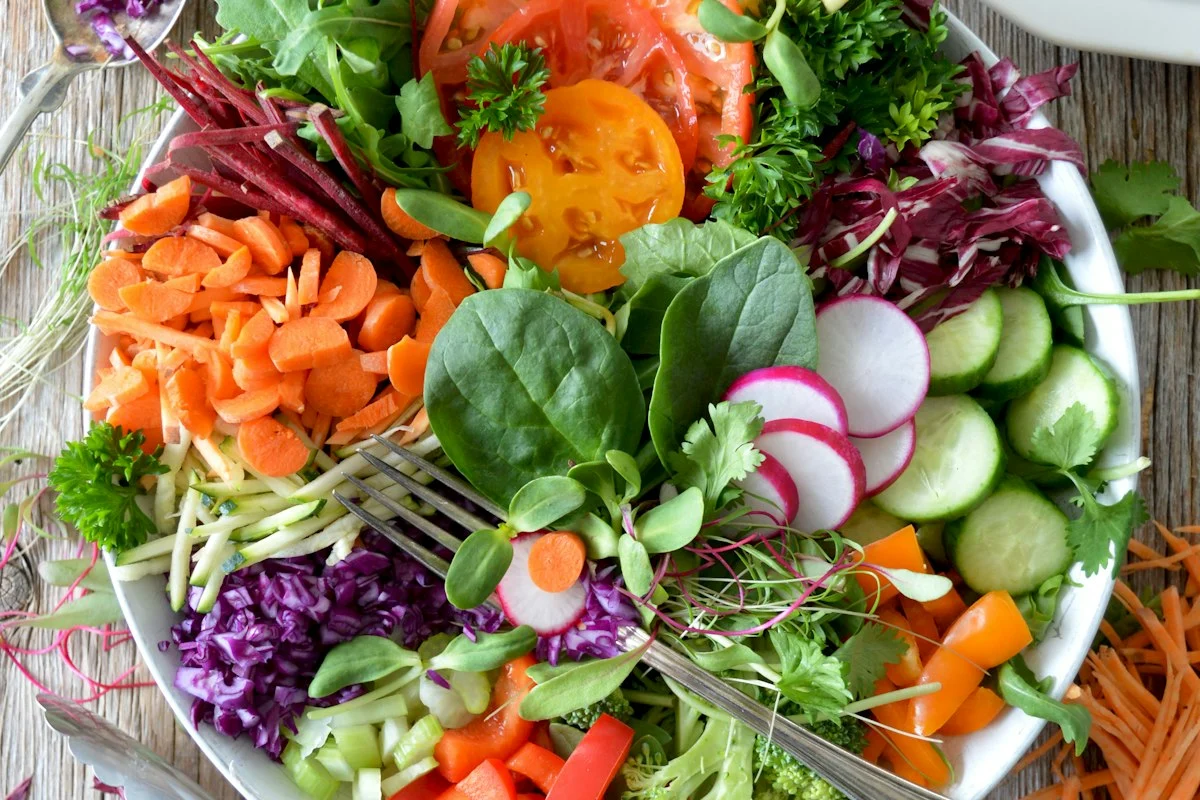
Among dietary philosophies that trend and fade across social media, the Mediterranean lifestyle stands out as one of the most comprehensively researched and clinically validated nutritional frameworks in the modern world. Backed by dozens of long-term randomized clinical trials—including the landmark PREDIMED study—this eating pattern consistently demonstrates significant reductions in cardiovascular disease, type 2 diabetes risk, systemic chronic inflammation, and cognitive decline.
Unlike restrictive fad diets that mandate rigid calorie tracking or demonize whole macronutrient groups, our mediterranean diet meal plan guide celebrates culinary abundance. It centers upon seasonal, whole plant foods, hearty legumes, omega-3 fatty acids, and vibrant culinary herbs that transform everyday cooking into a nourishing, deeply enjoyable ritual.
The Core Pillars of Mediterranean Longevity Nutrition
The Mediterranean diet is not an invention of modern dietitians; it is a cultural tapestry developed over centuries across Greece, southern Italy, Spain, and Crete. The lifestyle blends nutrient-dense food with convivial shared meals and mindful movement.
To translate this tradition into a functional modern lifestyle, structure your weekly shopping and plates around these primary food tiers:
| Nutritional Category | Target Weekly Frequency | Recommended Staples | Key Biological Benefits |
|---|---|---|---|
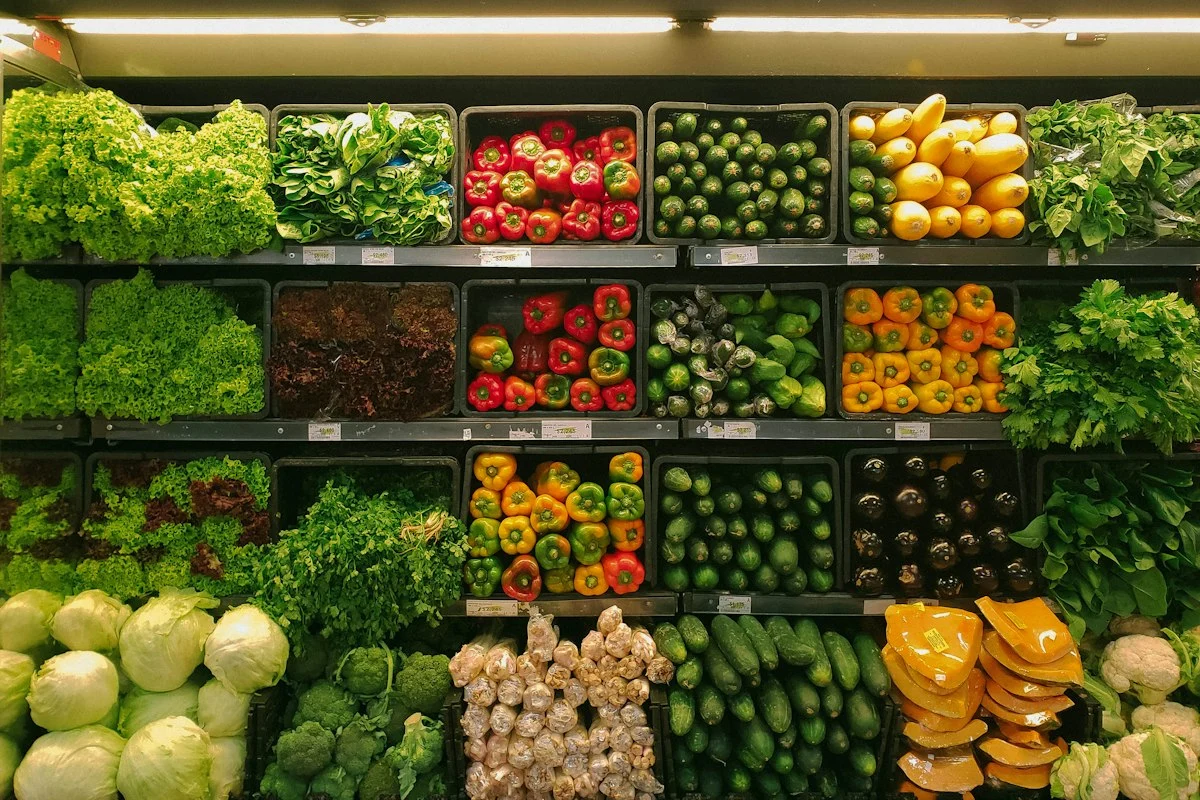
| Vegetables & Greens | Every meal (5–8 cups daily) | Wild arugula, spinach, zucchini, tomatoes, fennel | High dietary fiber, polyphenols, vitamin K |
| Legumes & Pulses | 4–6 times per week | Puy lentils, chickpeas, cannellini beans, split peas | Prebiotic resistant starch, plant protein |
| Healthy Fats | Daily foundation | First cold-pressed EVOO, walnuts, avocados, olives | Monounsaturated oleic acid, antioxidant protection |
| Fatty Seafood | 2–3 times per week | Wild sardines, mackerel, wild salmon, anchovies | Long-chain EPA/DHA omega-3 fatty acids |
| Whole Grains | Daily in moderation | Farro, steel-cut oats, quinoa, sourdough, bulgur | Sustained low-glycemic complex carbohydrates |
| Pastured Poultry/Eggs | 2–4 times per week | Pasture-raised eggs, organic chicken breast/thighs | Highly bioavailable choline, zinc, B12 |
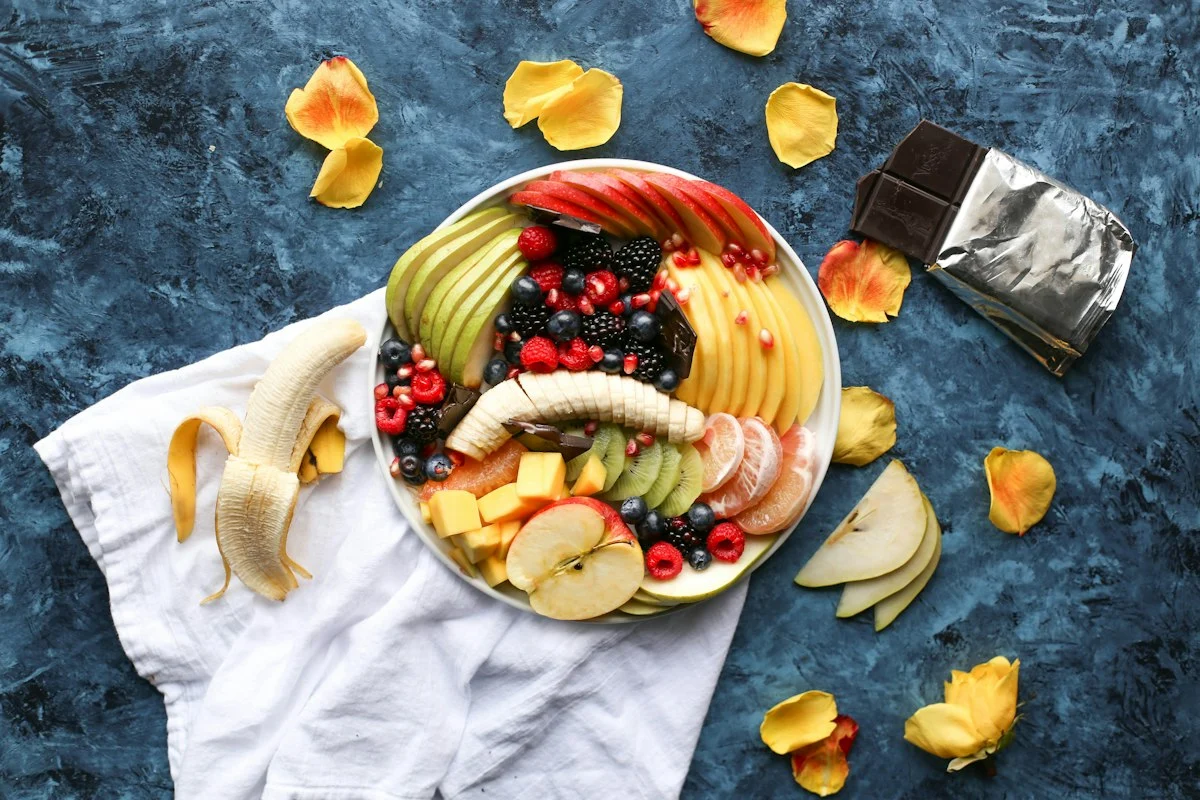
| Red Meat & Sweets | Infrequent (1–2 times monthly) | Grass-fed beef, seasonal dark chocolate, raw honey | Enjoyed sparingly as an occasional treat |
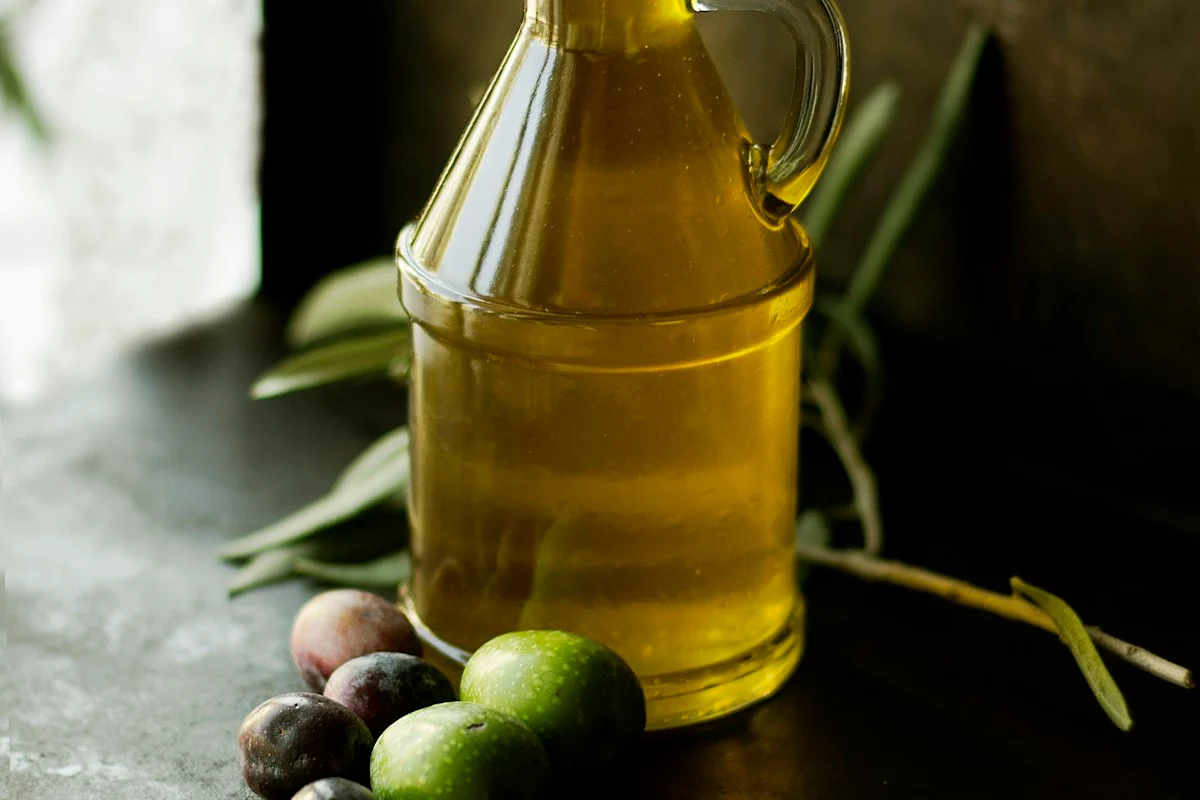
High-Polyphenol Extra Virgin Olive Oil: The Liquid Gold
Extra virgin olive oil (EVOO) is not merely a cooking medium in the Mediterranean; it is an active bioactive food. Authentic EVOO contains elevated levels of oleocanthal, a unique phenolic compound that exerts natural anti-inflammatory actions similar to low-dose ibuprofen by inhibiting COX-1 and COX-2 enzymes.
How to Select Genuine Extra Virgin Olive Oil
- Dark Glass Packaging: Light oxidizes fragile phenols. Always purchase oil in dark green or amber glass bottles or opaque metal tins.
- Harvest Date: Check the label for a specific “Harvest Date” rather than just a “Best By” date. Consume oil within 12 to 18 months of its harvest.
- Pungency and Bitterness: High-quality olive oil should leave a peppery tingle or tickle at the back of your throat when tasted raw. That throat sensation is the direct physical marker of active oleocanthal content.
To keep your pantry organized and ensure oils remain cool and dark, consult our pantry organization system recommendations.
The 7-Day Mediterranean Meal Plan
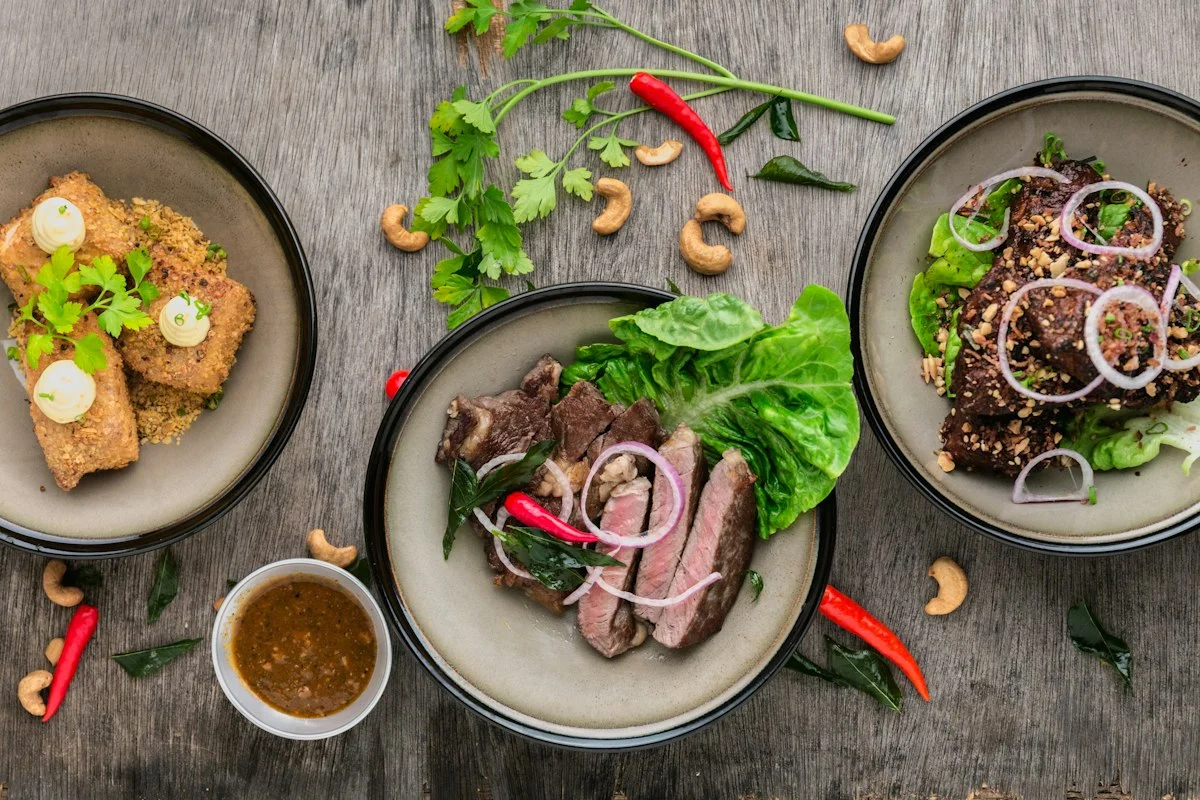
This balanced meal plan illustrates how easy and delicious Mediterranean cooking can be for busy professionals. For streamlined execution, prepare staple grains and roasted legumes ahead using our Sunday meal prep for beginners.
Day 1: Energizing Plant Foundations
- Breakfast: Whole-grain sourdough toast brushed with olive oil, mashed avocado, sliced heirloom tomatoes, and a sprinkle of sea salt and za’atar.
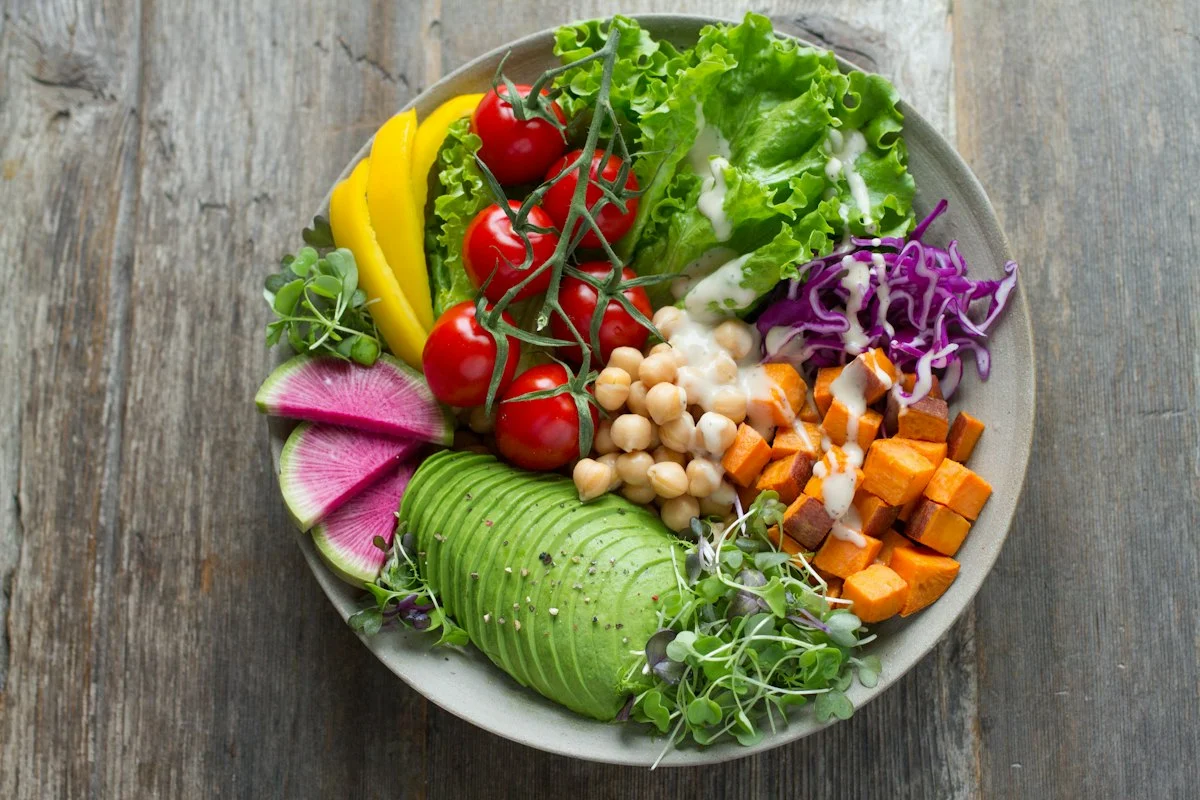
- Lunch: Mediterranean chopped salad with wild arugula, cucumbers, chickpeas, diced red onion, kalamata olives, and crumbled sheep’s milk feta with lemon vinaigrette.
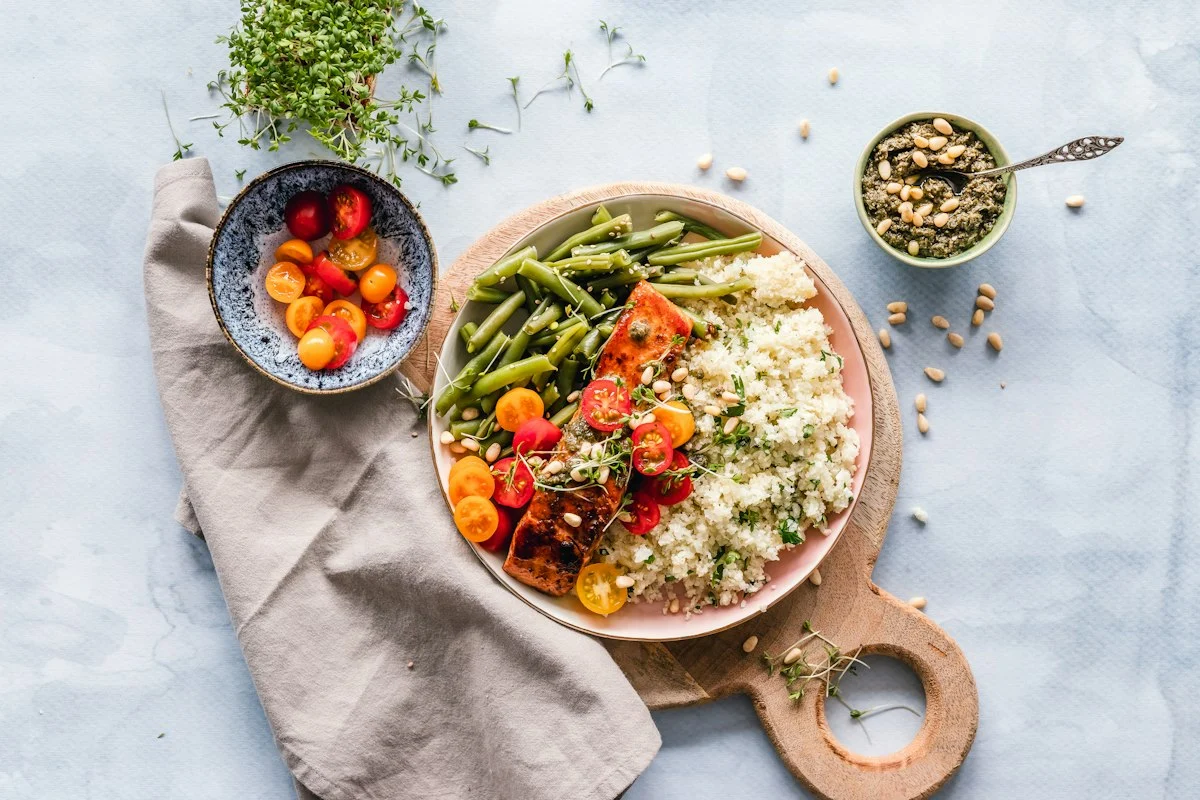
- Dinner: Pan-seared wild salmon over a bed of warm garlicky spinach and herbed French green lentils.
Day 2: Fiber and Complex Carbs
- Breakfast: Plain thick Greek yogurt topped with a handful of crushed raw walnuts, ground flaxseeds, and fresh wild blueberries.
- Lunch: Leftover herbed lentils paired with steamed broccoli florets and roasted bell peppers.
- Dinner: Slow-simmered ratatouille (eggplant, zucchini, tomatoes, sweet peppers) served alongside a cup of warm farro.
Day 3: Sustained Midweek Energy
- Breakfast: Two eggs poached in a spicy shakshuka tomato and bell pepper sauce, garnished with fresh flat-leaf parsley.
- Lunch: Quinoa bowl layered with canned wild sardines, pickled red onions, baby spinach, and tahini drizzle.
- Dinner: Herb-roasted chicken thighs with sweet potatoes, red onions, and tender fennel bulbs braised in white wine and olive oil.
Day 4: Plant-Forward Simplicity
- Breakfast: Warm steel-cut oats simmered in water and finished with a tablespoon of almond butter, chia seeds, and cinnamon.
- Lunch: Tuscan white bean and kale soup served with a slice of toasted whole-grain artisan bread.
- Dinner: Baked cod fillets crusted with garlic, parsley, and breadcrumbs, paired with roasted asparagus and lemon.
Day 5: Rich Omega-3 Focus
- Breakfast: Greek yogurt parfait layered with stewed seasonal berries and toasted pumpkin seeds.
- Lunch: Leftover cod and asparagus salad with cold farro and lemon-dill dressing.
- Dinner: Grilled calamari or shrimp skewers with a giant Greek village salad (tomatoes, cucumber, peppers, onions, olives, feta—no lettuce) and warm pita wedges.
Day 6: Convivial Weekend Cooking
- Breakfast: Spinach and feta frittata made with pastured eggs, served with a side of fresh seasonal melon.
- Lunch: Stuffed bell peppers filled with spiced lentils, brown rice, pine nuts, and fresh mint.
- Dinner: Homemade thin-crust whole-wheat pizza topped with san marzano tomatoes, fresh buffalo mozzarella, prosciutto, and fresh arugula.
Day 7: Rest and Reset
- Breakfast: Chia seed pudding made with unsweetened almond milk, topped with sliced figs and raw pistachios.
- Lunch: Big Mediterranean mezze platter: hummus, baba ganoush, kalamata olives, artichoke hearts, sliced radishes, and whole-wheat pita.
- Dinner: Hearty chickpea and vegetable Moroccan tagine simmered with warm warming spices, apricots, and toasted almonds over fluffy couscous.
The Social and Lifestyle Element: Conviviality
Nutritional epidemiology makes it clear that the Mediterranean diet is not solely about biochemistry; it is deeply about human connection. Traditional Mediterranean cultures prioritize eating meals slowly at a shared table, conversing with loved ones, and walking after dinner (the traditional Italian passeggiata).
Taking time to chew thoroughly, unplugging from work laptops during meals, and savoring the textures of whole foods aids cephalic-phase digestion, improves satiety hormones like leptin, and downregulates evening stress.
Explore more wholesome breakfast combinations in our high-protein plant-based recipes and browse our complete diet plans category to discover personalized nutritional architectures that fit your everyday schedule.
Frequently Asked Questions
Is the Mediterranean diet suitable for individuals on a strict budget?
Yes, because the primary foundational calories come from inexpensive whole ingredients such as dried lentils, chickpeas, oats, seasonal root vegetables, and frozen wild fish rather than pricey specialty health items.
How much extra virgin olive oil should you consume each day?
Clinical trials like PREDIMED recommend approximately two to four tablespoons (30 to 50 milliliters) of high-polyphenol extra virgin olive oil daily, used cold over salads or added to gently braised vegetable dishes.
Does the Mediterranean diet allow dairy and cheese?
Yes, in moderate portions. Traditional protocols favor fermented sheep and goat milk cheeses like real feta, pecorino, and unsweetened plain Greek yogurt, which supply natural probiotics and bioavailable calcium.
Can vegetarians follow a Mediterranean diet meal plan?
Easily. The diet is inherently plant-forward. Vegetarians can obtain complete essential amino acids and micronutrients by combining diverse legumes, whole grains, nuts, seeds, and leafy greens without animal proteins.
What makes extra virgin olive oil superior to regular vegetable oil?
Extra virgin olive oil is mechanically cold-pressed without chemical solvents, preserving fragile squalene, oleocanthal, and oleic monounsaturated fatty acids that actively lower LDL oxidation and systemic inflammation.