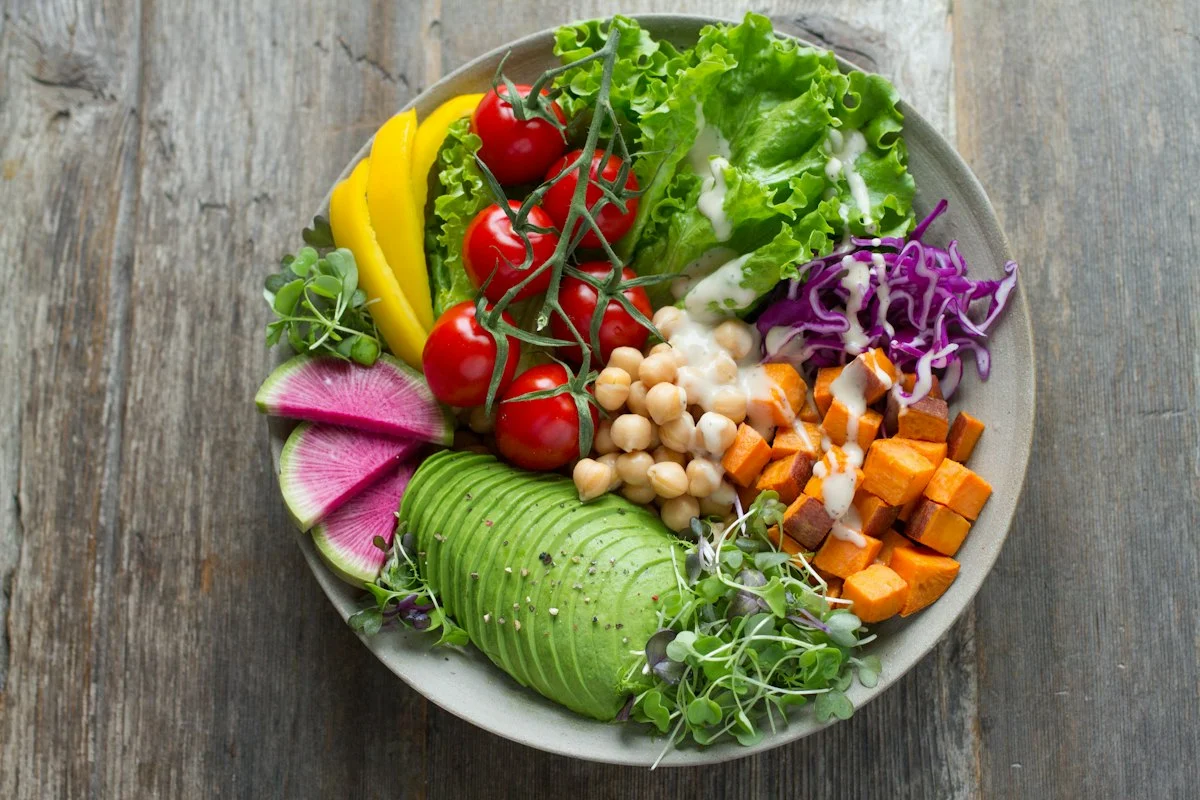
One of the most persistent myths surrounding vegetarian and vegan eating is the idea that building lean muscle and achieving high satiety without meat is nearly impossible. Many people envision plant-based dining as endless bland salads that leave you raiding the pantry an hour later. In reality, modern high-protein plant-based recipes can easily deliver 25 to 35 grams of clean, satisfying protein per plate while packing immense micronutrient density, fiber, and vibrant flavor.
By understanding how to combine nutrient-dense legumes, fermented soy proteins, ancient whole grains, and functional seeds, you can prepare deeply satisfying weeknight dinners in thirty minutes or less. Here is how to fuel your body with wholesome plant power.
The Complete Protein Architecture: Debunking Old Myths
For decades, popular media repeated the outdated claim that plant proteins are “incomplete” and must be meticulously combined in exact ratios at every single meal (such as eating beans and rice in the same bite).
Contemporary nutritional science, supported by the Academy of Nutrition and Dietetics, has thoroughly debunked this concept. Your liver maintains an endogenous amino acid pool that draws from all proteins consumed throughout the day. So long as you eat a varied diet with sufficient total caloric intake, your body easily synthesizes complete proteins.
Furthermore, several plant staples are complete proteins containing all nine essential amino acids on their own:
- Soy Foods (Tempeh, Tofu, Edamame): Complete amino acid profile with exceptional bioavailability.
- Quinoa: An ancient Andean seed packed with 8 grams of complete protein per cooked cup.
- Hemp Hearts: 10 grams of complete protein in just three tablespoons.
- Buckwheat and Amaranth: Ancient gluten-free seeds rich in lysine and methionine.
Three 30-Minute High-Protein Dinner Recipes
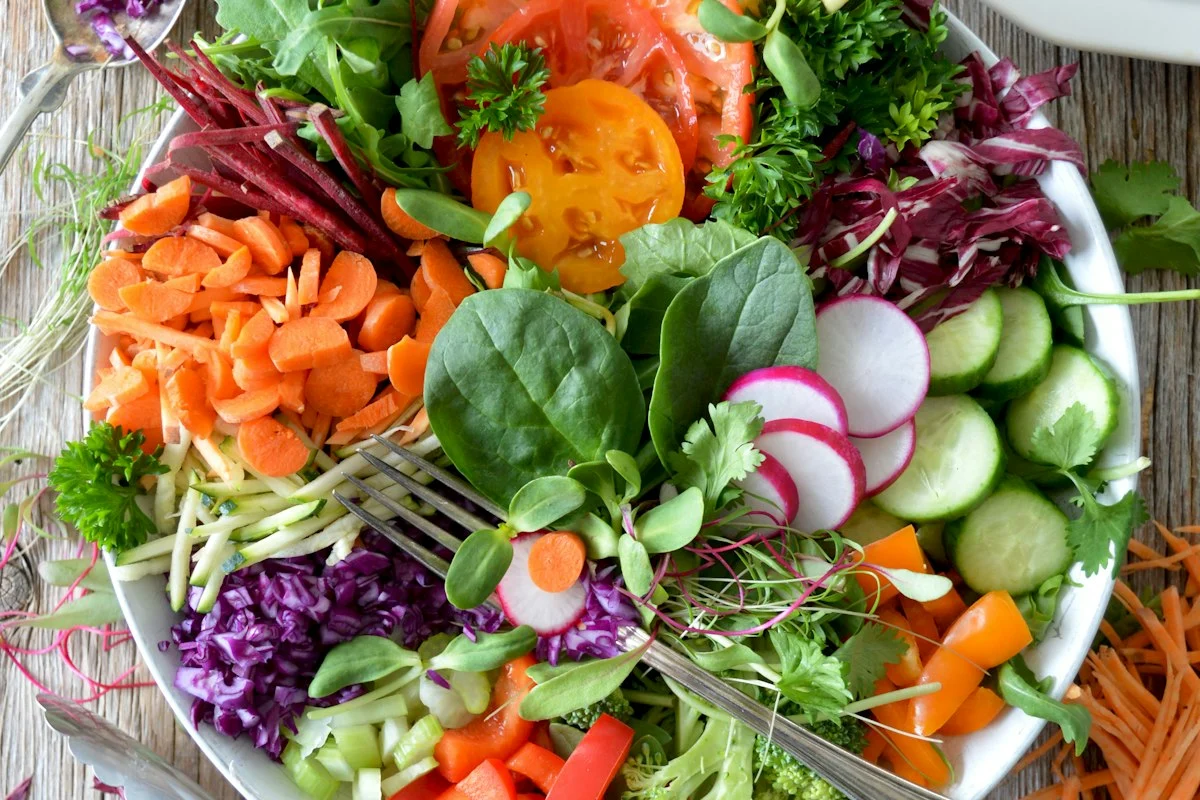
These three chef-tested weeknight meals come together in thirty minutes and deliver substantial protein with minimal cleanup.
Recipe 1: Crispy Sesame Ginger Tofu & Edamame Soba Bowl (32g Protein)
- Prep Time: 10 Minutes | Cook Time: 20 Minutes | Servings: 2
- Key Ingredients: 1 block extra-firm organic tofu (pressed and cubed), 1 cup shelled edamame, 4 oz 100% buckwheat soba noodles, 2 cups baby bok choy, 2 tbsp toasted sesame oil, 2 tbsp low-sodium tamari, 1 tbsp fresh grated ginger, 1 tbsp maple syrup, 1 tbsp cornstarch.
- Method: Toss tofu cubes with cornstarch and a splash of tamari. Pan-sear in sesame oil over medium-high heat until golden and crispy (8–10 minutes). Boil soba noodles and edamame together for 4 minutes; drain. Whisk tamari, ginger, maple syrup, and garlic for the sauce. Toss warm noodles, edamame, steamed bok choy, and crispy tofu with sauce. Garnish with scallions and sesame seeds.
Recipe 2: Smoky Spanish Chickpea & Lentil Skillet with Spinach (28g Protein)
- Prep Time: 5 Minutes | Cook Time: 15 Minutes | Servings: 2
- Key Ingredients: 1 can (15 oz) chickpeas (rinsed), 1 cup cooked brown lentils (or canned), 1 can (14 oz) fire-roasted crushed tomatoes, 4 cups fresh baby spinach, 1 diced shallot, 2 cloves minced garlic, 1 tbsp smoked paprika, 1 tsp ground cumin, 2 tbsp hemp hearts, 1 tbsp extra virgin olive oil.
- Method: Sauté shallot and garlic in olive oil in a deep cast-iron skillet for 3 minutes. Add smoked paprika, cumin, and sea salt. Pour in crushed tomatoes, chickpeas, and lentils; simmer vigorously for 10 minutes until thickened. Fold in fresh spinach until wilted. Top with hemp hearts and serve alongside toasted sourdough.
Recipe 3: Creamy Peanut Tempeh & Broccoli Noodle Toss (30g Protein)
- Prep Time: 10 Minutes | Cook Time: 15 Minutes | Servings: 2
- Key Ingredients: 8 oz organic tempeh (crumbled into bite-sized bits), 3 cups broccoli florets, 4 oz brown rice noodles, 3 tbsp natural peanut butter, 1 tbsp lime juice, 1 tbsp sriracha, 1 tbsp soy sauce, 1/4 cup warm water.
- Method: Steam tempeh crumbles and broccoli florets together for 6 minutes to soften tempeh’s natural bitterness. Whisk peanut butter, lime juice, sriracha, soy sauce, and warm water into a rich, velvety sauce. Toss boiled rice noodles, steamed broccoli, and tempeh with the peanut sauce. Garnish with crushed peanuts and fresh cilantro.
| Protein Source | Serving Size | Protein Content | Key Micronutrient Benefits |
|---|---|---|---|
| Tempeh (Fermented) | 1 Cup (166g) | 31 Grams | Probiotics, Prebiotic Fiber, Iron, Magnesium |
| Seitan (Vital Wheat) | 3 Ounces (85g) | 21 Grams | Ultra low-fat, dense texture, Selenium |
| Extra-Firm Tofu | 1/2 Block (175g) | 18–20 Grams | Calcium, Bioavailable Iron, Isoflavones |
| Shelled Edamame | 1 Cup (155g) | 18 Grams | Folate, Vitamin K1, Complete Amino Acids |
| Cooked Lentils | 1 Cup (198g) | 18 Grams | Soluble Fiber, Potassium, Polyphenols |
| Hemp Hearts | 3 Tbsp (30g) | 10 Grams | Omega-3 ALA, Zinc, Complete Protein |
Optimizing Nutrient Absorption in Plant Diets
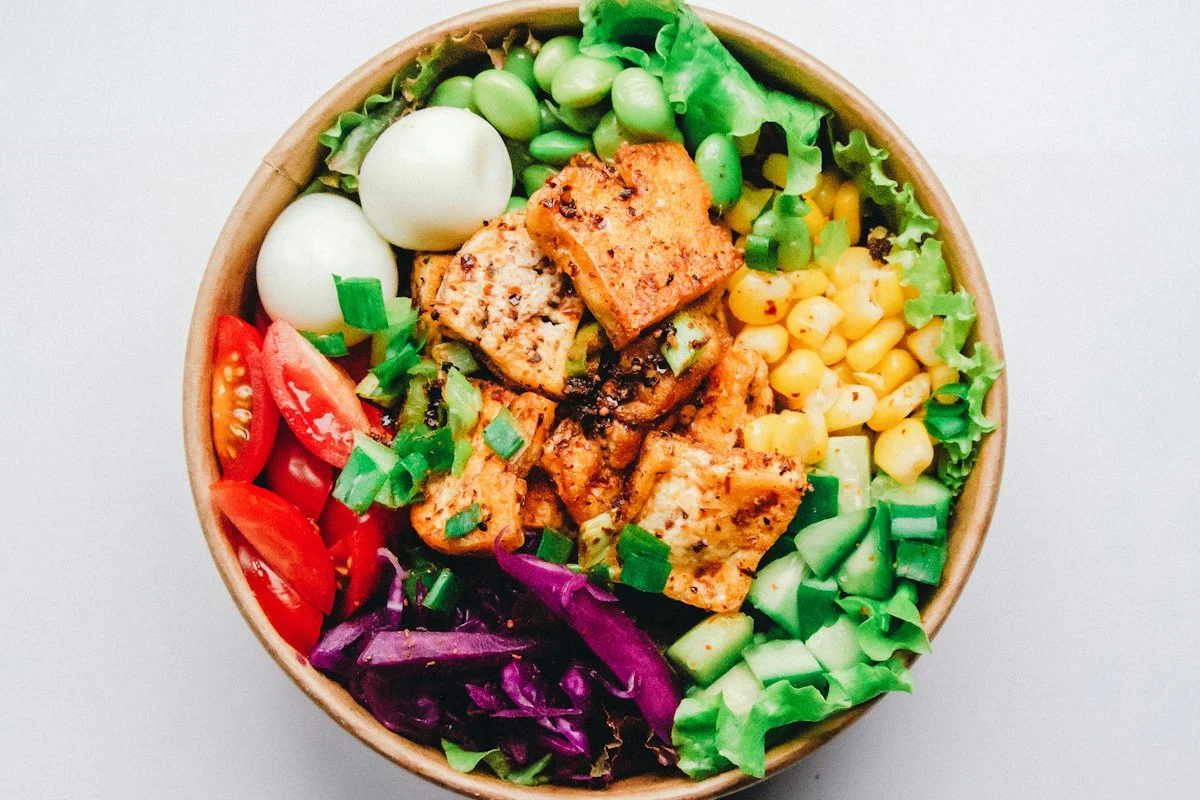
To get the most from plant proteins, optimize your body’s absorption of co-factors like non-heme iron and zinc:
- Pair Iron with Vitamin C: Squeeze fresh lime juice over lentil bowls or add sliced bell peppers to tofu stir-fries. Vitamin C increases non-heme iron absorption by up to 300 percent.
- Soak Dry Grains and Legumes: Soaking dry beans and lentils overnight reduces phytic acid, unlocking greater mineral bioavailability.
- Include Fermented Foods Daily: Fermented tempeh, miso, and kimchi support a resilient microbiome, facilitating smooth protein digestion.
Connect your weekly cooking with our sunday meal prep for beginners and explore cost-effective shopping strategies in healthy groceries on a budget. Discover more nourishing recipes in Food & Nutrition and Healthy Recipes. For clinical nutrition position papers and macro recommendations, visit the Harvard T.H. Chan School of Public Health.
Micronutrient Optimization for Plant-Powered Athletes
While obtaining sufficient protein on a whole-food plant diet is straightforward, optimizing specific micronutrients that support muscular contraction, mitochondrial energy, and red blood cell oxygenation ensures peak performance.
Key nutrients to track:
- Iron and Zinc Bioavailability: Plant foods contain non-heme iron, which is sensitive to dietary inhibitors like polyphenols. Always pair lentil and bean dishes with vitamin C-rich ingredients (fresh lemon juice, bell peppers, tomatoes) to boost iron absorption by up to 300 percent.
- Active Vitamin B12: Because Vitamin B12 is synthesized by soil bacteria and is not naturally present in plant foods, take a dedicated methylcobalamin or cyanocobalamin supplement (250mcg daily or 2500mcg weekly) to protect cognitive and nerve health.
- Algal Omega-3 DHA/EPA: While flax and chia seeds provide ALA Omega-3s, retro-conversion to active DHA and EPA in humans can be low. Consider taking an algae-based Omega-3 oil supplement to support joint health and neurological function.
Frequently Asked Questions
How do you get 30 grams of protein in a single plant-based meal?
Combine a dense protein anchor like extra-firm tofu or tempeh with high-protein grains (quinoa or farro), shelled edamame, and a tablespoon of hemp hearts or nutritional yeast.
Do you need to combine specific plant proteins at every meal to make them complete?
No, nutritional science confirms that consuming a diverse variety of whole plant foods throughout the day provides all nine essential amino acids required by the human body.
What is the secret to making tofu crispy without deep frying?
Press excess moisture from extra-firm tofu for 15 minutes, toss the cubes in a teaspoon of cornstarch with seasoning, and bake at 425°F (220°C) on parchment paper for 25 minutes.
Which whole grains contain the highest protein density per cooked cup?
Spelt (11g protein per cup), Kamut (10g), teff (10g), and quinoa (8g) provide the highest protein concentration among whole culinary grains.
Can plant-based protein meals support serious athletic recovery and muscle hypertrophy?
Yes, athletic studies demonstrate that when total daily protein intake (1.6–2.2g/kg) and leucine thresholds are met, plant protein stimulates muscle protein synthesis equally to animal protein.