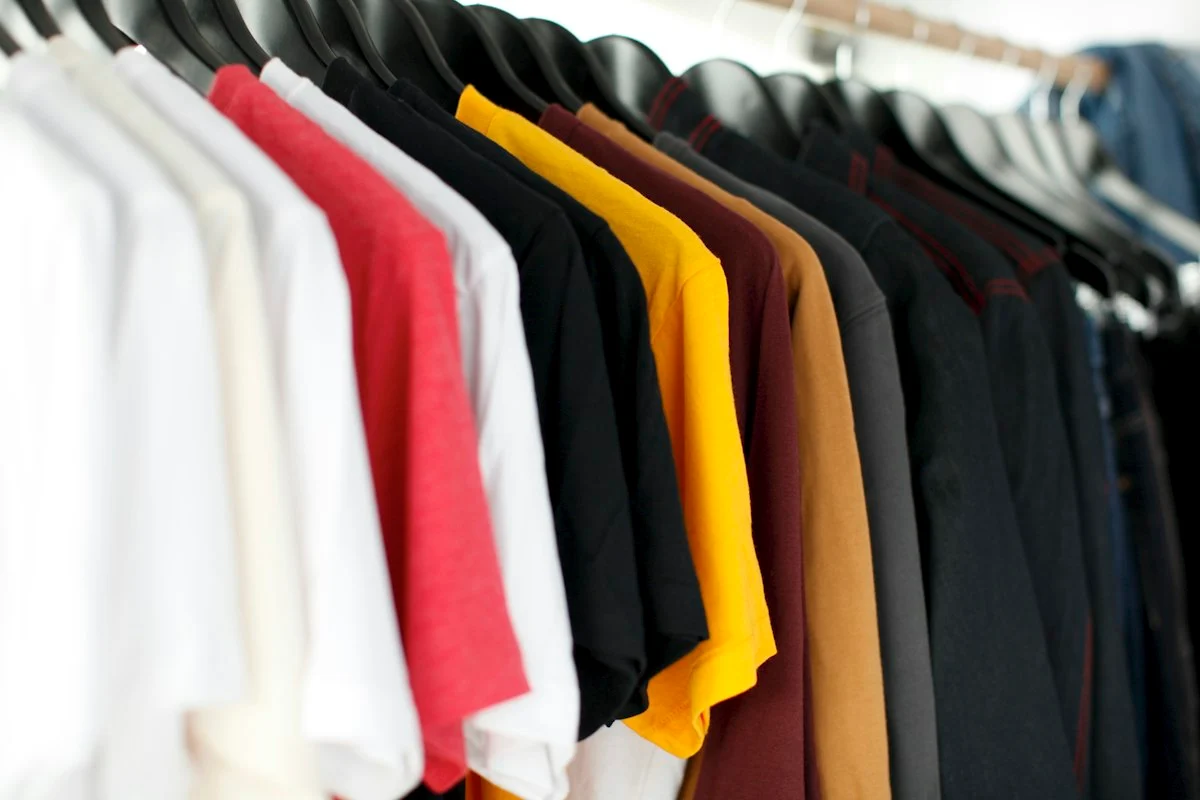
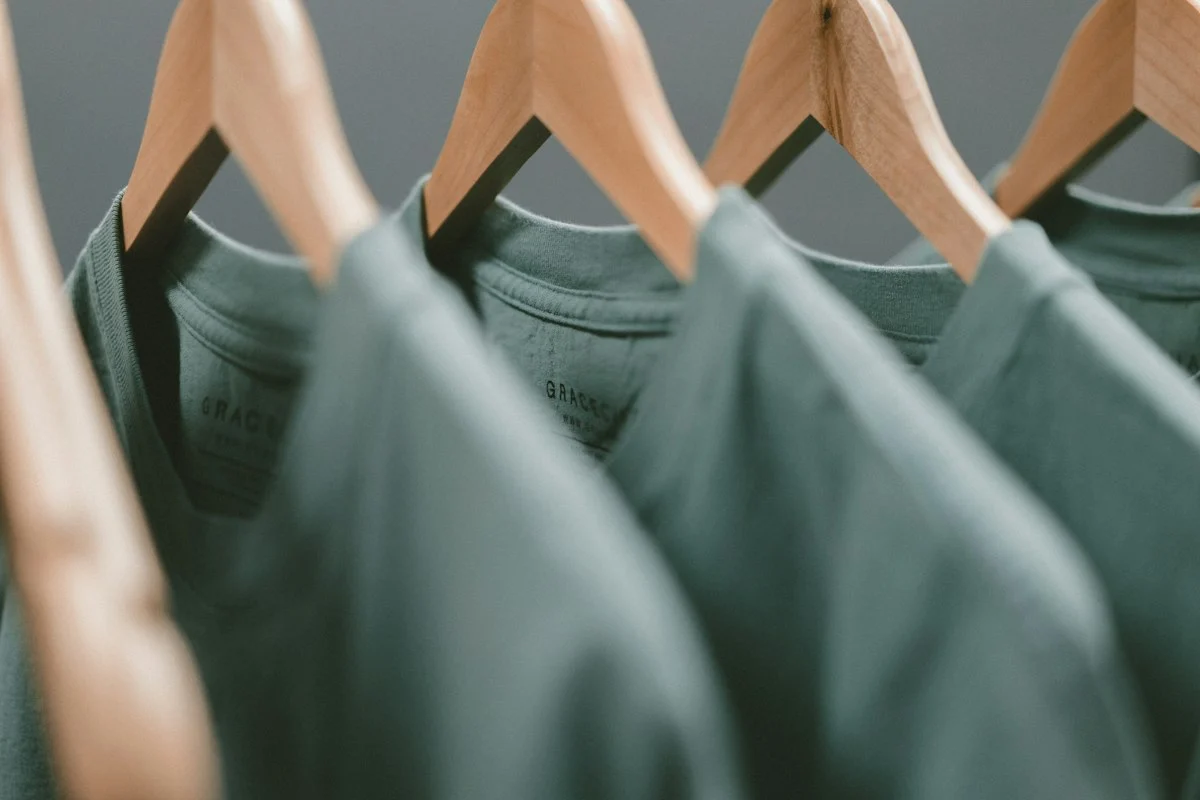
The fast-fashion machine produces over 100 billion garments every single year, the vast majority of which end up incinerated or dumped in landfills within twelve months of production. Fueled by ultra-cheap synthetic textiles, exploitative offshore labor, and aggressive algorithmic social media marketing, the global apparel industry has become one of the planet’s largest environmental polluters.
Navigating a transition toward mindful consumption requires a practical, no-nonsense sustainable fashion shopping guide. Sustainable fashion is not about buying an entirely new “eco-friendly” wardrobe overnight from expensive luxury brands. True sustainability begins with shifting your relationship with clothing: cherishing what you already own, learning to evaluate textile craftsmanship, mastering secondhand shopping, and demanding real transparency from brands.
The Fabric Matrix: Natural Fibers vs. Petrochemical Synthetics
The single most consequential choice you make when purchasing a garment is the material composition printed on the care tag. Over 60 percent of all clothing produced today is spun from synthetic petrochemical plastics—primarily polyester, acrylic, polyamide, and nylon.
Synthetic garments carry immense environmental liabilities: they are energy-intensive to manufacture, shed millions of non-biodegradable microplastics into our waterways with every wash cycle, and trap sweat against your skin.
The Sustainable Natural Fiber Tier List
- Linen (Flax): One of the oldest cultivated fibers in human history. Flax grows on marginal rainfall without chemical fertilizers, and 100% pure linen is fully biodegradable, antimicrobial, and grows softer with every wash.
- Organic Cotton (GOTS-Certified): Grown without synthetic pesticides, toxic defoliants, or genetically modified seeds, utilizing up to 90 percent less blue water through regenerative rainfall techniques.
- Wool and Cashmere (RWS / GCS Certified): Natural animal fibers are renewable, naturally flame-resistant, odor-repellent, and biodegradable. Look for the Responsible Wool Standard (RWS) to verify humane animal welfare.
- Tencel / Lyocell: A semi-synthetic fiber derived from sustainably harvested eucalyptus wood pulp, manufactured in an award-winning closed-loop solvent system that recovers over 99 percent of water and solvents.
How to Spot Greenwashing in Fashion
As consumer awareness has surged, fast-fashion conglomerates have spent millions on deceptive marketing campaigns designed to make disposable clothing appear environmentally benign.
Watch out for these classic greenwashing tactics:
- Vague Buzzwords Without Metrics: Phrases like “eco-conscious,” “green,” “pure,” and “earth-inspired” are unregulated marketing slogans with zero legal definitions.
- The “Conscious Line” Illusion: A brand highlights a small capsule made with 20 percent recycled polyester while continuing to pump out 99 percent conventional fast-fashion garments.
- Take-Back Bins That Lead to Landfills: Brand clothing recycling bins in store lobbies often serve merely to give shoppers a discount coupon to buy more clothes, while less than one percent of collected clothes are ever recycled into new fiber.
Independent Certifications That Actually Matter
When buying new garments, look for verified, independent third-party audit standards:
| Certification Label | Governing Focus | Verification Standards |
|---|---|---|
| GOTS (Global Organic Textile Standard) | Organic Fiber Integrity & Non-Toxic Processing | Prohibits toxic heavy metals, formaldehyde, and GMOs |
| OEKO-TEX Standard 100 | Chemical Safety & Skin Contact | Tests finished garment for over 100 harmful toxins |
| Fair Trade Certified | Worker Wages & Safe Factory Conditions | Guarantees living wages, safety audits, and maternity rights |
| B Corp Certification | Overall Corporate Social & Eco Governance | Rigorous legal commitment balancing profit and planetary impact |
| Cradle to Cradle (C2C) | Circularity & Total Material Health | Verifies full circular recyclability or safe biological composting |
The Art of Secondhand and Vintage Shopping
The most sustainable garment on the planet is the one that has already been manufactured. Buying secondhand extends the active lifespan of clothing, directly offsetting the demand for virgin resources.
Whether shopping in local vintage boutiques, consignment shops, or digital platforms like eBay, Poshmark, and Vestiaire Collective, apply these inspection rules:
- Test the Fabric Pull: Gently pull the fabric across the bias. High-quality vintage cotton and wool will snap back into place; cheap over-stretched knits will sag and pill.
- Examine Internal Seam Allowances: Turn garments inside out. Quality garments feature French seams or fully bound edges rather than cheap single overlock stitching that unravels after three washes.
- Inspect Hardware: Look for solid metal YKK or Talon zippers, horn or mother-of-pearl buttons, and reinforced buttonholes. Cheap plastic hardware is a surefire indicator of low-grade garment construction.
Mending, Altering, and Garment Care
Sustainability does not end at the checkout counter; it is sustained in how you care for your clothes. Learning basic garment maintenance quadruples the wearable lifespan of your wardrobe:
- Invest in a Tailor: Spending fifteen dollars to take in the waist of a secondhand trouser or shorten a sleeve transforms a thrifted find into a custom-tailored masterpiece.
- Fabric Shavers for Knitwear: Keep a rechargeable rotary fabric defuzzer to remove natural friction pilling from cashmere and merino sweaters each autumn.
- Cold Water Washing: 90 percent of the energy used by a washing machine goes directly to heating the water. Washing in cold water cleans garments just as effectively while preventing fiber shrinkage and dye fading.
Pair these ethical purchasing habits with our how to build a capsule wardrobe guide and discover versatile style in our mens smart casual outfit guide. Browse our extensive library in Fashion & Style and Sustainable Fashion. For industry impact reports and ethical brand ratings, consult resources from Fashion Revolution and the Good On You ethical rating directory.
The Anatomy of a Quality Seam: What to Check in Store
When evaluating whether a garment is built to last for five years or five washes, look closely at the interior construction. Fast-fashion manufacturers cut costs by using thin single-thread overlock seams that unravel at the first sign of tension.
Inspect these four construction markers:
- French or Bound Seams: High-end, durable garments enclose raw fabric edges inside a clean, folded internal seam, preventing fraying completely.
- Pattern Matching at Seams: On striped, plaid, or patterned shirts, check whether the pattern matches across side seams and pockets. Meticulous pattern alignment indicates skilled cutting and construction.
- Reinforced Stress Points: Look for bar-tack stitching or metal rivets at pocket corners and belt loops, where everyday physical tension is concentrated.
- Spare Buttons Attached to Care Tags: Brands that expect their clothing to last for years provide spare buttons sewn neatly to interior care labels.
Frequently Asked Questions
What is greenwashing in the fashion industry and how can consumers detect it?
Greenwashing occurs when brands make vague environmental claims (like 'eco-conscious collection') without independent certifications, supply chain transparency, or concrete third-party metrics.
Which natural fabrics are the most durable and environmentally sustainable?
French linen, organic unbleached cotton, responsibly sourced wool (RWS certified), and Tencel/Lyocell have lower environmental footprints and biodegrade naturally without releasing microplastics.
What should you inspect first when shopping for vintage or secondhand clothing?
Inspect the armpits for fabric thinning, check the crotch seam of trousers for wear, verify that all original buttons are present, and test that all metal zippers glide smoothly.
Is thrifting and buying secondhand truly the most sustainable way to shop?
Yes, buying existing pre-loved garments requires zero new agricultural water, pesticide, or chemical dye resources, directly keeping wearable textiles out of municipal landfills.
How do synthetic fabrics like polyester impact ocean ecosystems?
Synthetic fabrics like polyester, nylon, and acrylic shed hundreds of thousands of microscopic plastic fibers during home laundry cycles that pass through municipal filtration into oceans.