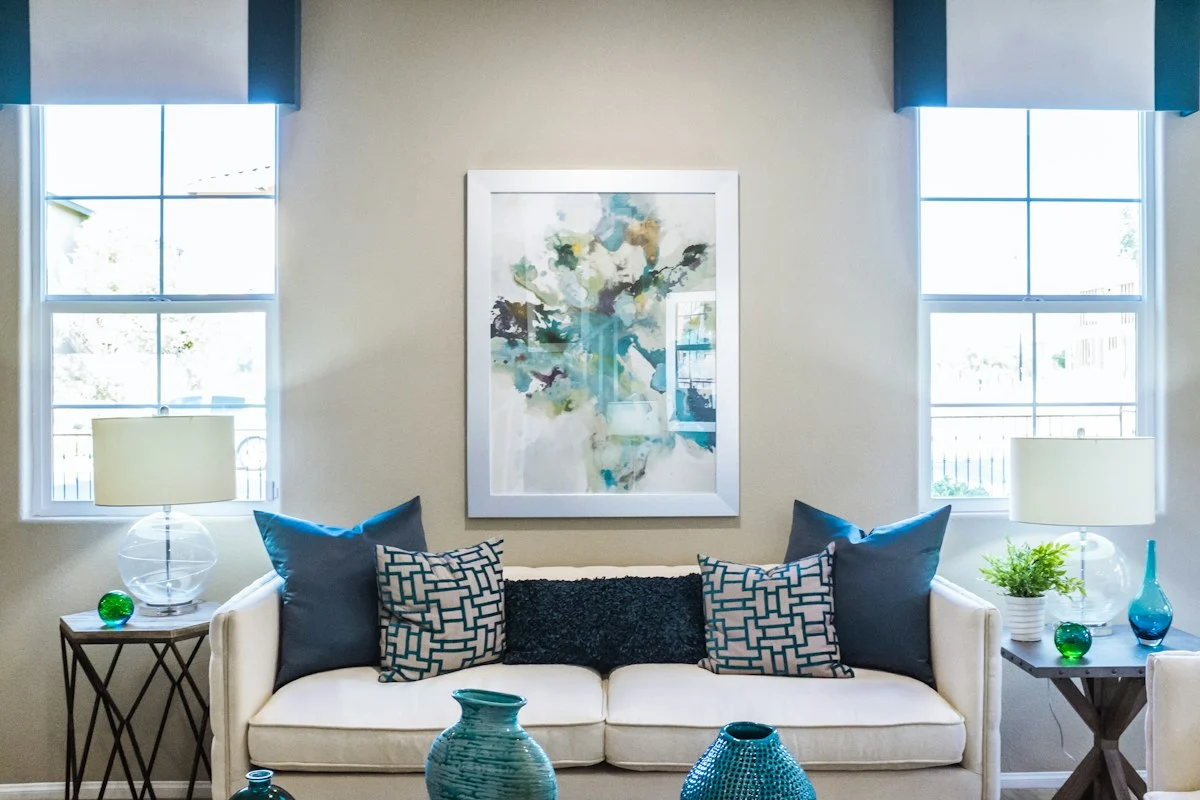
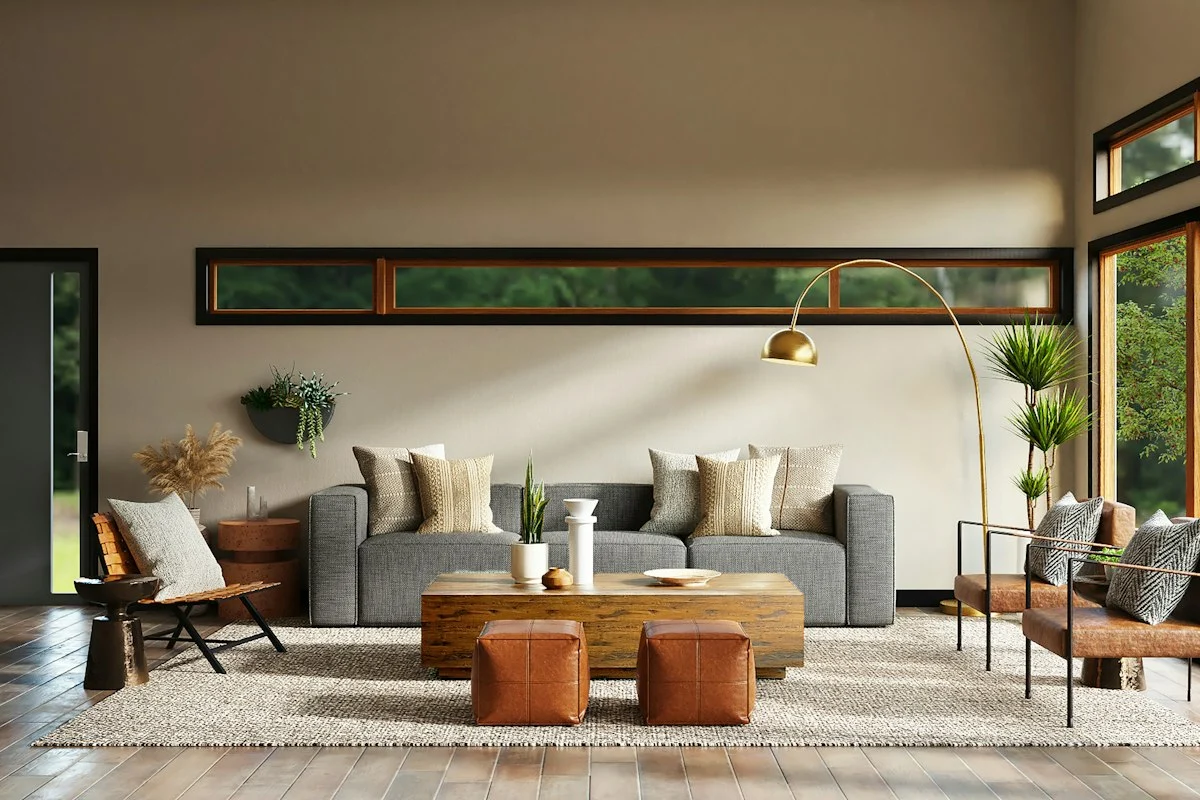
Too often, minimalism is mistaken for sterile, cold, and impersonal decorating—stark white walls, uncomfortable glass coffee tables, and a complete absence of character. True minimalist living room design, however, is not about living in an empty white box; it is about intentional curation, functional harmony, and the celebration of negative space.
Warm minimalism blends the clean lines and clutter-free discipline of Scandinavian and Japandi aesthetics with tactile natural materials, earthy undertones, and comforting layers. When you strip away visual noise and focus on quality textures and architectural proportion, your living room transforms into a restorative sanctuary where you can truly decompress.
The Principles of Warm Minimalism
Traditional minimalism focuses on subtraction: what can be removed? Warm minimalism focuses on resonance: what truly enhances comfort and ease?
To achieve this balance, ground your space in three guiding principles:
- Material Authenticity: Choose natural materials that age gracefully over time—solid white oak, oiled walnut, vegetable-tanned leather, honed limestone, and pure linen.
- Intentional Negative Space: Leave breathing room around every piece of furniture. An unoccupied corner or an unadorned wall allows your eye to rest and highlights the beauty of your focal pieces.
- Form Follows Comfort: Never sacrifice daily comfort for sculptural vanity. A sofa must be deeply inviting to sit on, and a coffee table must comfortably support a book and a hot cup of tea.
Curating a Warm Neutral Palette
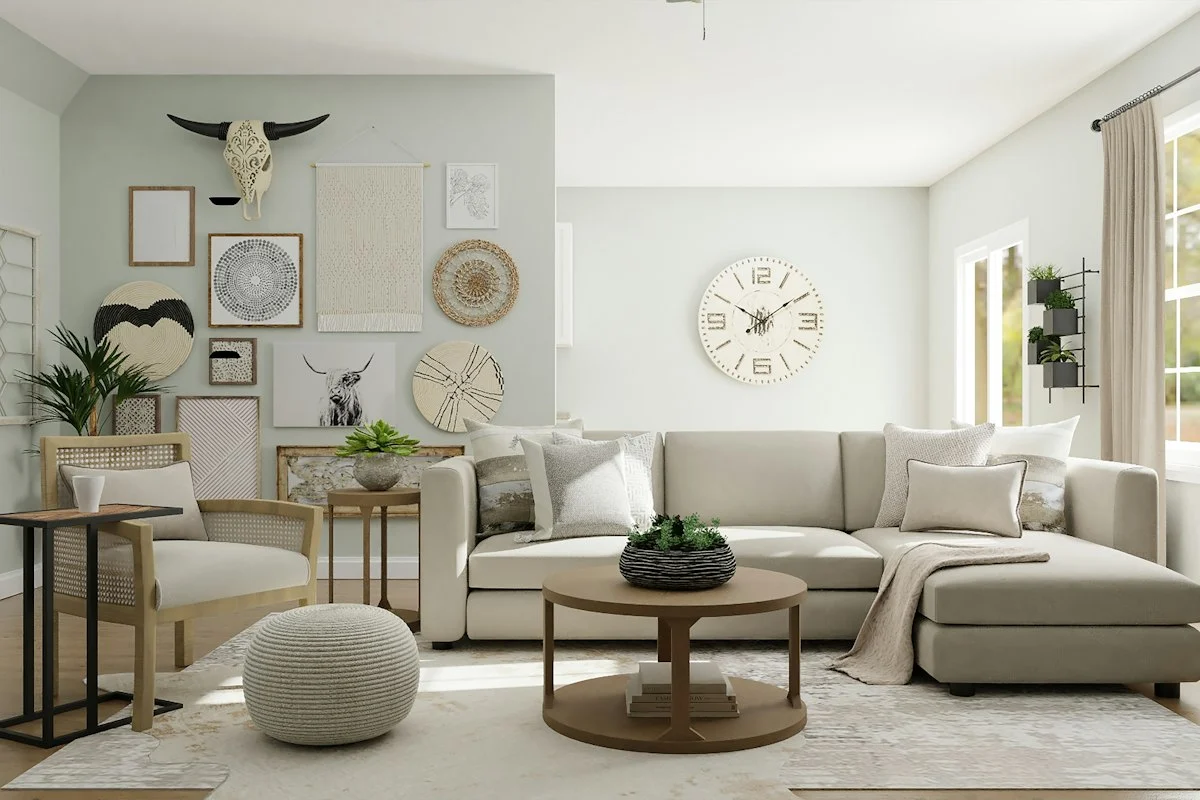
The foundation of any minimalist room is its color palette. Moving away from icy blue-whites, warm minimalist interiors embrace creamy alabasters, soft oatmeal, putty, and warm greiges.
The 60-30-10 Color Formula
- 60% Dominant Base (Walls & Large Rugs): Warm ivory or soft limewash paint (such as Benjamin Moore Swiss Coffee or Farrow & Ball Wimborne White). This establishes ambient light reflection without glare.
- 30% Secondary Body (Furniture & Upholstery): Muted sand, woven camel, biscuit linens, and natural blonde woods that introduce depth and visual warmth.
- 10% Grounding Accents (Lighting, Hardware, Details): Matte black iron, oiled bronze, charcoal stone, or warm ochre cushions that provide architectural definition.
| Element | Material Selection | Finish / Texture | Role in Living Room |
|---|---|---|---|
| Walls | Chalk-finish latex or lime plaster | Velvety matte, light-absorbing | Establishes soft ambient light bounce |
| Sofa | Performance linen or wool blend | Slubby woven texture in biscuit tone | Primary seating comfort & visual anchor |
| Coffee Table | Solid White Oak or Travertine | Matte oiled timber or honed stone | Centerpiece tactile grounding element |
| Area Rug | 100% High-pile or flatweave wool | Subtle geometric ribs in cream/sand | Acoustic dampening & foot warmth |
| Lighting | Hand-blown frosted opal glass | Warm diffused glow (2700 Kelvin) | Atmospheric evening relaxation |
Furniture Selection: Proportion Over Quantity
In a minimalist living room, each piece of furniture carries significant visual weight. Rather than purchasing a full six-piece matching living room suite, curate four intentional items with complimentary silhouettes.
The Anchor Sofa
Look for a sofa with a generous, grounded profile and tailored, un-tufted upholstery. Low-slung seating makes ceilings feel taller and fosters an informal, relaxed atmosphere. Select durable performance fabrics with a visible weave—such as textured bouclé or heavy linen-cotton blends—that resist everyday wear while adding subtle tactile interest.
The Low-Profile Coffee Table
A minimalist coffee table should serve as an organic sculpture. Consider a monolithic block table in honed travertine, or an organic curved table crafted from solid American oak. Keeping tabletop decor minimal—a single ceramic bowl, a sculptural branch, and an art monograph—maintains functional calm.
For smart compact layouts that pair well with this aesthetic, read our breakdown of small apartment storage ideas.
Layering Lighting for Atmosphere
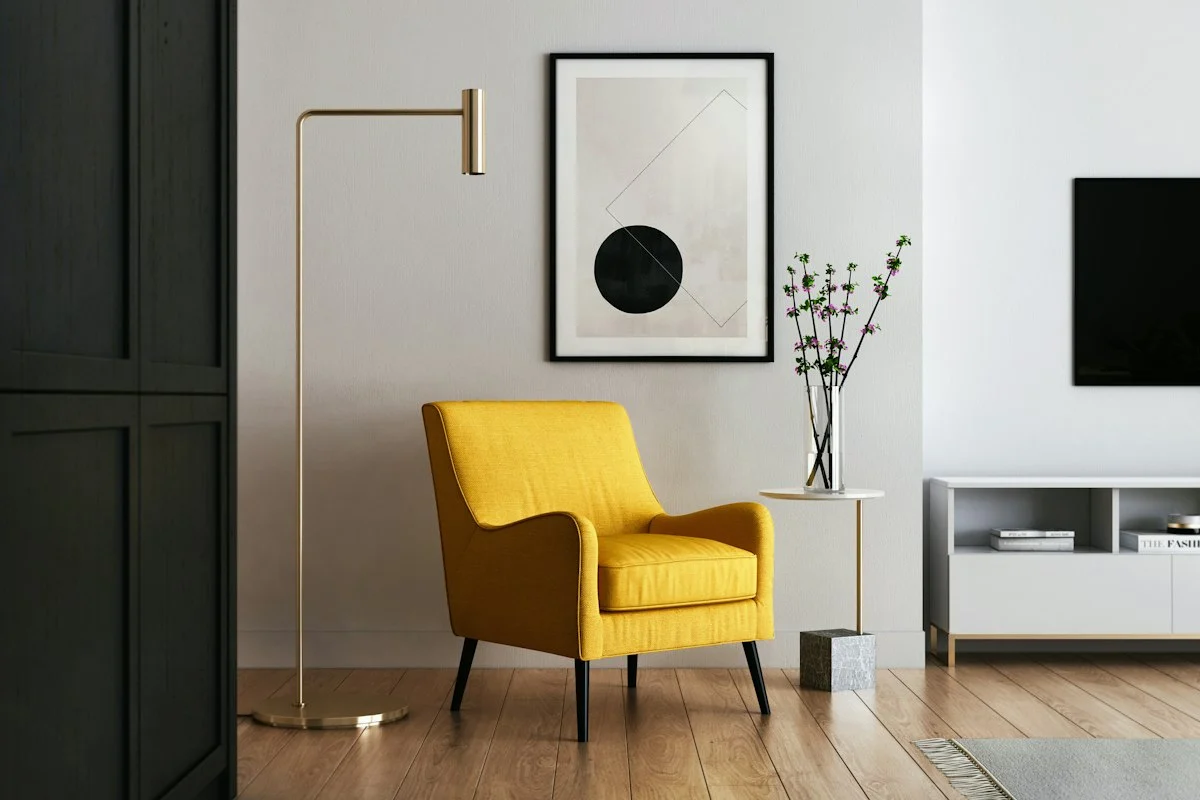
Lighting makes or breaks a minimalist living room. Relying on a single harsh overhead flush-mount light instantly flattens natural textures and destroys the cozy ambiance you worked hard to build.
Layer your illumination across three heights:
- Ambient Level: Dimmable ceiling fixtures with warm 2700K LED bulbs that cast an even, gentle wash across the ceiling plane.
- Task Level: A slender brass or black metal floor lamp positioned behind your reading chair for focused evening light.
- Accent Level: Ceramic table lamps with linen shades perched on sideboards or low console shelves to create soft pools of warm light in room corners.
Discover more design tips across our Home & Decor and Minimalist Interiors guides. For environmental interior guidelines and non-toxic materials certification, review health product declarations from the Cradle to Cradle Products Innovation Institute.
Acoustic Warmth: The Overlooked Interior Element
One of the most frequent complaints about stark modern interiors is hollow, echoey acoustics. Hard wooden floors, bare drywall, and unadorned glass windows bounce sound waves erratically, making even quiet conversations feel harsh and tense. True warm minimalism addresses acoustic comfort as thoroughly as visual beauty.
Introduce sound-softening acoustic elements that integrate seamlessly into a minimalist aesthetic:
- Heavyweight Natural Drapes: Floor-to-ceiling linen curtains lined with blackout or thermal cotton absorb airborne sound while framing windows with soft vertical architectural folds.
- Felt Furniture Glides: Affix dense wool felt pads beneath the feet of all wooden chairs, coffee tables, and benches to eliminate jarring scraping noises across hardwood.
- Textured Wall Hangings: If large painted canvases do not appeal to your style, consider a woven wool textile hanging or subtle fluted wood slat wall paneling backed with acoustic felt.
The Power of Scent and Tactile Grounding
Scent is your most evocative sensory pathway. Complement a clean visual space with natural, grounded aromatics: diffuse organic essential oils of cedarwood, vetiver, and bergamot, or light a natural beeswax candle to complete the calming sensory sanctuary.
Pro-Tip Implementation Checklist: Key Takeaways
To ensure seamless long-term adherence and avoid common implementation hurdles, follow this concise operational checklist:
- Phase 1 Assessment: Establish baseline metrics and document existing challenges before purchasing supplies or overhauling routines.
- Phase 2 Incremental Action: Implement one primary change per week rather than attempting an overwhelming simultaneous transformation.
- Phase 3 Environment Calibration: Organize tools, workspace elements, and physical cues so positive behaviors require minimal conscious friction.
- Phase 4 Weekly Audit: Spend five minutes every Sunday assessing what worked, what generated friction, and how to calibrate for the week ahead.
- Phase 5 Community & Accountability: Share your goals and progress with an accountability partner or family member to reinforce long-term consistency.
By anchoring your habits in structured systems rather than transient motivation, you protect your energy, save valuable time, and build sustainable progress that compounds effortlessly month after month.
Frequently Asked Questions
How do you make a minimalist living room feel warm instead of sterile?
Layer tactile organic textures like nubby bouclé, slubby Belgian linen, white oak wood grains, and woven wool rugs alongside warm-spectrum 2700K ambient lamps.
What is the best color palette for warm minimalist interior design?
Combine a soft chalk or warm alabaster wall base with muted earthy secondary tones such as oat, sand, soft camel, olive undertones, and brushed brass metal accents.
How do you choose the right sofa for a minimalist living room?
Select a sofa with clean horizontal geometry, tailored upholstery in durable performance linen or textured weave, low-profile wooden feet, and deep comfortable seat cushions.
How do you handle audio and TV cords in a minimalist living room?
Route power cords through in-wall conduit kits, conceal gaming consoles inside fluted wood media consoles with infrared-compatible doors, and use paintable baseboard raceways.
Can you display personal art in a minimalist home?
Yes, curate one or two large-scale framed canvases with ample negative space rather than creating busy gallery walls with dozens of small competing photo frames.