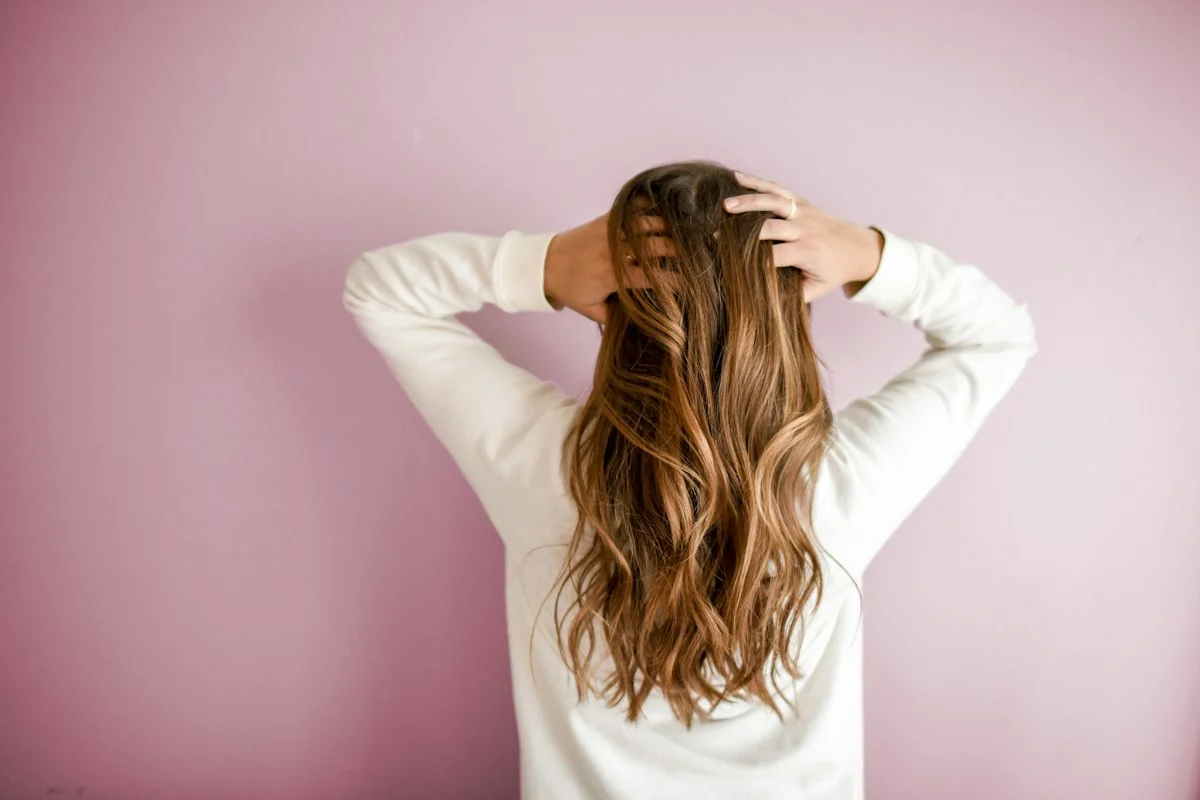
Long, thick, lustrous hair is one of the most universally desired beauty attributes. Yet so many people find themselves trapped in a frustrating cycle: hair that seems stuck at a certain length, dry frizzy ends that constantly snap, and excessive shedding in the shower drain. We spend fortunes on luxury conditioning masks and viral styling products, often overlooking the biological reality of hair growth.
Hair strands are dead filaments of keratin protein. Once a hair shaft leaves the skin, it cannot biologically heal itself. True healthy hair growth habits focus on two critical fronts: optimizing the living scalp environment where new follicles are actively formed, and protecting existing hair lengths from mechanical and thermal damage.
The Trichology of Hair: Understanding the Growth Cycle
Every hair follicle on your head undergoes a continuous three-phase biological lifecycle:
- Anagen (The Active Growth Phase): Lasts between 2 and 7 years. Follicle cells divide rapidly, adding length to the hair shaft. Roughly 85 to 90 percent of your hair is in this phase right now.
- Catagen (The Transition Phase): Lasts roughly 2 to 3 weeks. Growth stops, and the outer root sheath shrinks and detaches from the dermal blood supply.
- Telogen (The Resting & Shedding Phase): Lasts roughly 3 months. The old hair rests before shedding to make room for a new anagen strand. Normal shedding ranges from 50 to 100 hairs per day.
To achieve greater density and length, your goal is twofold: prolong the active anagen growth phase through scalp health, and prevent the mechanical breakage that prevents you from retaining length.
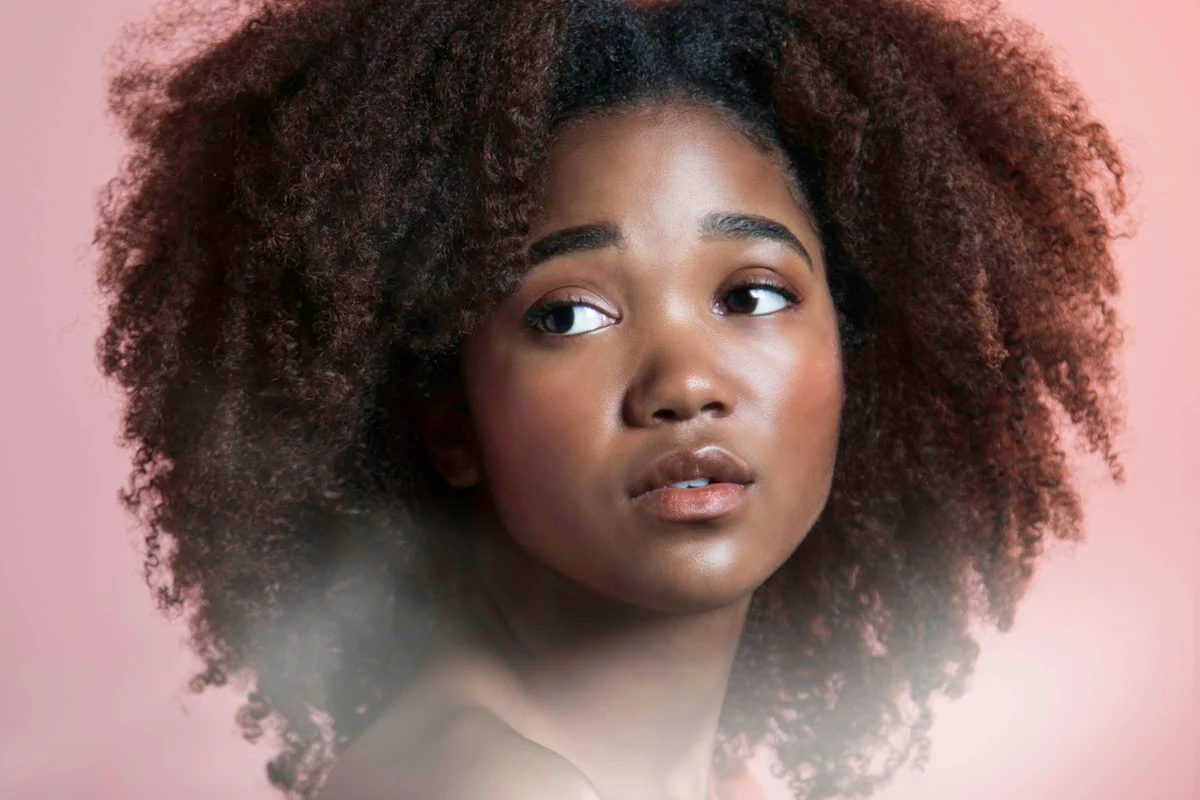
Scalp Care: The Soil of the Hair Garden
Healthy hair can only grow from a healthy, un-inflamed scalp. When sebum, dead skin cells, dry shampoo residue, and styling polymers accumulate around hair follicles, they create micro-inflammation that can choke follicle shafts and truncate the anagen growth phase.
The Power of Scalp Massage
A landmark study published in the journal Eplasty demonstrated that performing a standardized 4-minute scalp massage daily for 24 weeks increased hair thickness by mechanically stretching dermal papilla cells, activating genes related to hair cycle growth.
Use your fingertips (never fingernails) to apply firm, circular pressure across your scalp for four minutes before bed or while shampooing in the shower.
Pre-Wash Rosemary Scalp Oil Ritual
Clinical comparative trials indicate that rosemary essential oil performs comparably to 2% minoxidil in promoting hair density over six months, with less scalp itching.
Mix 3 to 4 drops of pure organic rosemary essential oil into a tablespoon of carrier oil (like jojoba or squalane). Gently massage into your scalp 30 to 60 minutes before washing your hair.
| Hair Health Factor | Recommended Habit / Tool | Common Pitfall to Avoid |
|---|---|---|
| Scalp Stimulation | 4-Min daily circular fingertip massage | Scratching with sharp fingernails |
| Cleansing Frequency | 2–3 Times weekly with sulfate-free formula | Relying on dry shampoo for 5+ days |
| Drying Technique | Gentle squeeze with plush microfiber towel | Aggressive rubbing with terrycloth towels |
| Thermal Protection | Silicone/Polymer heat protectant up to 450°F | Using flat irons on damp or unprotected hair |
| Sleeping Surface | 100% Mulberry silk or satin pillowcase | Rough cotton pillowcases that snag cuticles |
Damage Defense: Retaining Your Length
Many people believe their hair “stops growing,” when in reality, it is growing normally at the scalp (about half an inch per month) but snapping off at the ends due to mechanical and thermal breakage just as quickly.
1. Ditch the Terrycloth Bath Towel
Wet hair is in its most fragile biological state. When saturated with water, the hair shaft swells, stretching the protective outer cuticle. Rubbing wet hair aggressively with a rough cotton bath towel creates microscopic tears along the cuticle.
Instead, gently wrap hair in a smooth microfiber hair towel or a soft 100% cotton t-shirt. Press and squeeze gently to absorb water through capillary action without abrasive friction.
2. Never Skip Heat Protectant
Exposing unprotected hair to 400°F flat irons and curling wands boils the moisture inside the hair cortex, causing irreversible structural “bubble hair” and cuticle blistering.
Always apply a heat protectant spray containing silicone polymers (such as dimethicone or amodimethicone) before blow-drying or heat styling. Heat protectants form a heat-conductive barrier that distributes thermal energy evenly and seals the cuticle.
3. Switch to a Silk Pillowcase
Traditional cotton pillowcases create continuous friction as you toss and turn overnight, roughing up hair cuticles and pulling moisture out of hair strands. Sleeping on a smooth 100% mulberry silk or satin pillowcase allows hair to glide frictionlessly, reducing morning bedhead, frizz, and mechanical breakage.
Connect your haircare habits with our skincare advice in simple morning skincare routine and explore clean ingredients in natural skincare remedies that work. Discover more beauty frameworks in Beauty & Self-Care and Haircare. For scientific trichology resources and hair biology research, consult publications from the International Association of Trichologists and the British Association of Dermatologists.
Demystifying Hair Shedding: Telogen Effluvium vs. Breakage
It is critical to distinguish between normal biological hair shedding and mechanical hair breakage:
- Shedding (From the Root): Shed hairs feature a tiny white keratin bulb at the end. Losing 50 to 100 bulb-tipped hairs per day is completely normal as follicles cycle out of the telogen phase.
- Breakage (Along the Shaft): Broken hairs are shorter, lack a white bulb, and have frayed, fractured ends. Breakage is caused by heat tools, chemical bleaching, aggressive brushing, and towel friction.
If you notice a sudden, dramatic spike in bulb-tipped shedding three months after a major physical illness, surgery, intense psychological grief, or rapid weight loss, you may be experiencing telogen effluvium—a temporary shedding response that typically resolves spontaneously within six to nine months once physiological balance is restored.
Pro-Tip Implementation Checklist: Key Takeaways
To ensure seamless long-term adherence and avoid common implementation hurdles, follow this concise operational checklist:
- Phase 1 Assessment: Establish baseline metrics and document existing challenges before purchasing supplies or overhauling routines.
- Phase 2 Incremental Action: Implement one primary change per week rather than attempting an overwhelming simultaneous transformation.
- Phase 3 Environment Calibration: Organize tools, workspace elements, and physical cues so positive behaviors require minimal conscious friction.
- Phase 4 Weekly Audit: Spend five minutes every Sunday assessing what worked, what generated friction, and how to calibrate for the week ahead.
- Phase 5 Community & Accountability: Share your goals and progress with an accountability partner or family member to reinforce long-term consistency.
By anchoring your habits in structured systems rather than transient motivation, you protect your energy, save valuable time, and build sustainable progress that compounds effortlessly month after month.
Frequently Asked Questions
Does massaging your scalp really stimulate faster hair growth?
Yes, daily 4-minute scalp massages mechanically stretch dermal papilla cells, increasing local microcirculation and up-regulating hair cycle signaling genes.
How often should you wash your hair to maintain optimal scalp health?
Most hair types benefit from washing two to three times a week; over-washing strips natural protective lipids, while under-washing causes yeast accumulation and follicle inflammation.
Why are microfiber towels superior to traditional cotton bath towels for hair?
Microfiber towels absorb excess moisture rapidly through capillary action without abrasive rough loops, preventing wet cuticle friction, frizz, and strand breakage.
Can split ends actually be repaired or glued back together by hair products?
No, split ends cannot be permanently repaired; while bond-builders temporarily seal cuticles, the only true permanent remedy for split ends is trimming damaged tips.
What vitamins and dietary minerals are essential for healthy hair growth?
Adequate dietary iron (ferritin), zinc, vitamin D3, biotin, and complete dietary protein provide the essential biological building blocks for keratin synthesis.