
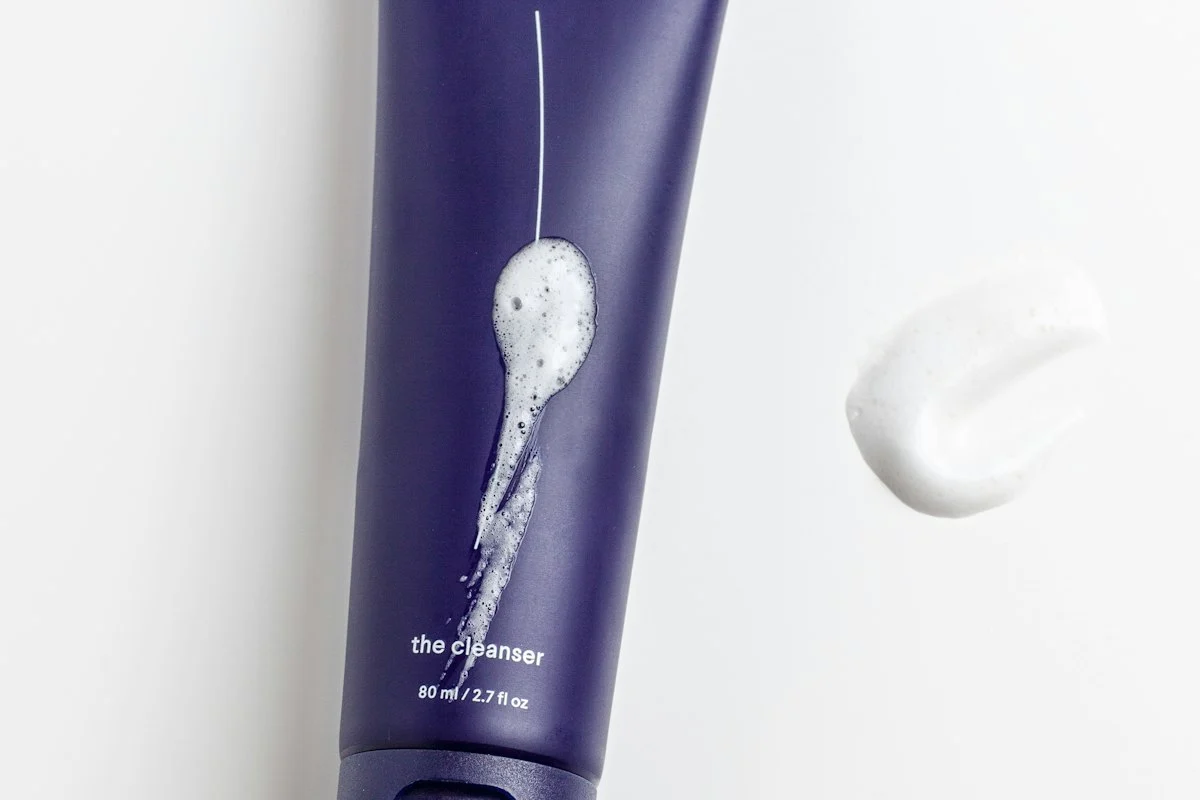
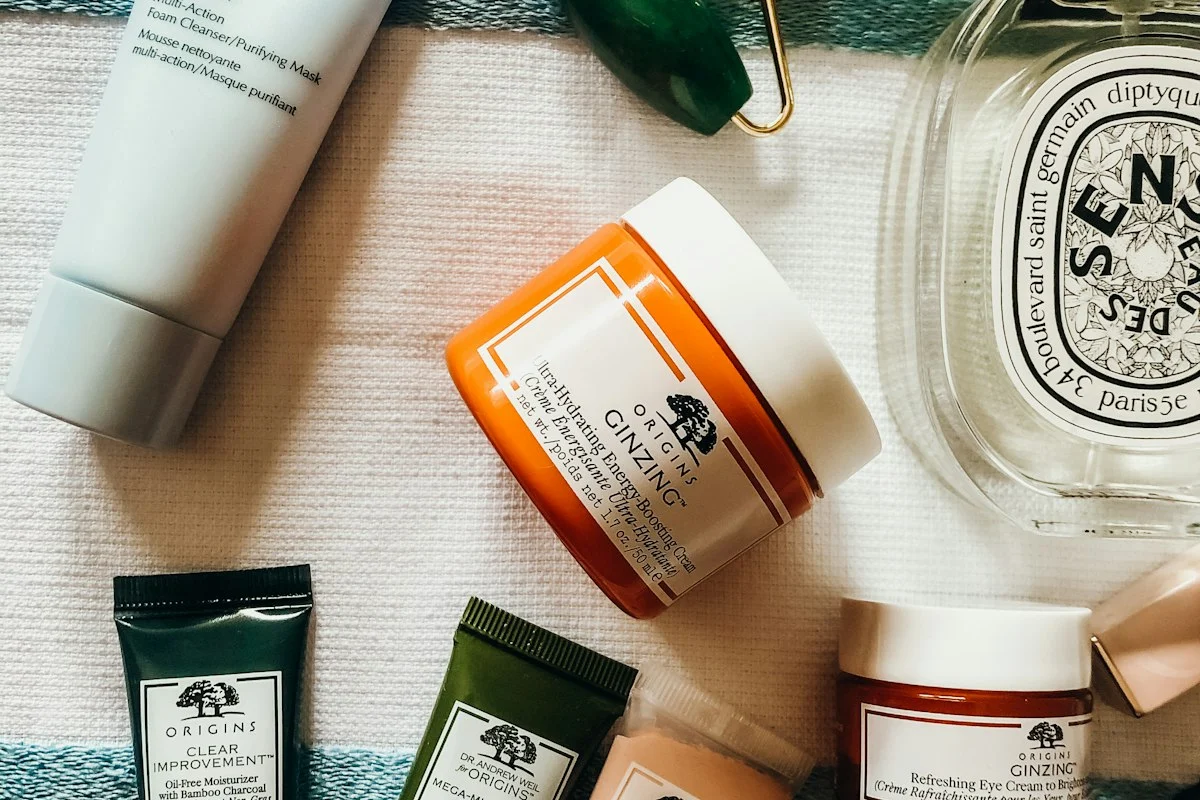
Social media beauty trends have spent years convincing us that achieving clear, radiant skin requires an elaborate, expensive ten-step routine: double essences, multiple serums, face oils, jade rollers, and specialized toners. In reality, modern dermatologists agree that over-complicated skincare routines frequently do more harm than good, triggering contact dermatitis, clogged pores, and a compromised skin barrier.
The secret to healthy, luminous skin is a disciplined, simple morning skincare routine. Your morning regimen has one primary mission: defense and protection. While your evening routine focuses on cellular repair and active turnover (such as retinoids or exfoliating acids), your morning routine should fortify your lipid barrier against daytime ultraviolet radiation, environmental pollution, and moisture loss.
The Physiology of the Skin Barrier: Defense First
Your stratum corneum—the outermost layer of your epidermis—functions like a brick-and-mortar wall. The “bricks” are your skin cells (corneocytes), and the “mortar” is an intercellular lipid matrix composed of ceramides, cholesterol, and free fatty acids.
When this barrier is intact, it locks in vital hydration and keeps out bacteria, allergens, and airborne pollutants. When overloaded with too many competing active ingredients, the barrier weakens, resulting in redness, flaking, stinging, and reactive breakouts. A minimal, four-step morning routine protects this delicate ecosystem with precision.
The 4-Step Morning Routine: Step-by-Step
Complete this entire sequence in less than four minutes each morning:
Step 1: Cleanse (or Refresh)
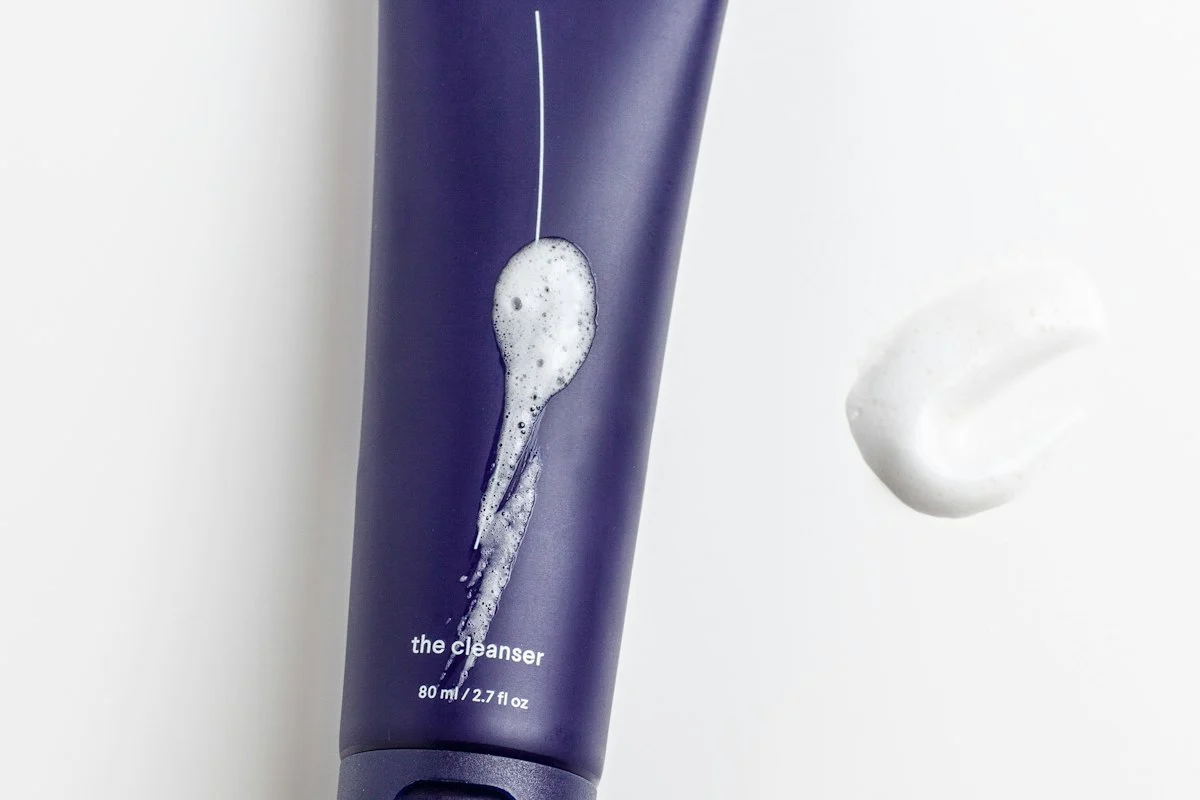
The goal of morning cleansing is simply to remove overnight sweat, excess sebum, and residue from your evening skincare products without stripping natural moisture.
- For Dry / Sensitive Skin: A simple splash of lukewarm water is often sufficient to preserve your acid mantle.
- For Normal / Oily Skin: Use a gentle, non-foaming gel or cream cleanser with a physiological pH (around 5.5). Avoid harsh sodium lauryl sulfate (SLS) cleansers that leave your skin feeling tight or squeaky.
Step 2: Antioxidant Defense (L-Ascorbic Acid / Vitamin C)
Daytime ultraviolet radiation and urban particulate matter generate free radicals—unstable oxygen molecules that degrade collagen and trigger hyperpigmentation.
Applying a topical antioxidant serum neutralizes these free radicals before they can damage cellular DNA. Look for a serum containing 10% to 15% L-Ascorbic Acid (pure Vitamin C) formulated with Vitamin E (tocopherol) and Ferulic Acid. This synergistic combination stabilizes the formula and octuples its photoprotective efficacy.
Step 3: Lightweight Barrier Hydration
Even if you have oily or combination skin, skipping moisturizer causes transepidermal water loss (TEWL), prompting your sebaceous glands to overcompensate by pumping out more oil.
Choose a lightweight, non-comedogenic gel-cream containing:
- Hyaluronic Acid or Glycerin: Humectants that draw moisture deep into your epidermis.
- Ceramides: Essential lipids that replenish the protective intercellular mortar.
- Niacinamide (Vitamin B3): An anti-inflammatory powerhouse that calms redness and balances sebum.
| Routine Step | Active Ingredient Focus | Recommended Formulation | Primary Skin Benefit |
|---|---|---|---|
| 1. Cleanse | Glycerin, Oat Extract | Gentle hydrating cream/gel (pH 5.5) | Cleanses without stripping lipid barrier |
| 2. Antioxidant | L-Ascorbic Acid (10–15%) + Ferulic | Lightweight liquid serum | Neutralizes free radicals & brightens tone |
| 3. Hydrate | Ceramides, Hyaluronic Acid, Squalane | Gel-cream or lightweight lotion | Prevents transepidermal water loss (TEWL) |
| 4. Protect (SPF) | Zinc Oxide or Modern UV Filters | Broad-Spectrum SPF 30 to 50+ | Blocks 97%+ of UVA/UVB aging radiation |
Step 4: Broad-Spectrum Sun Protection (The Non-Negotiable)
If you only do one step in your skincare routine, make it sunscreen. Up to 80 percent of premature skin aging—including wrinkles, loss of elasticity, and dark spots—is caused by chronic ultraviolet exposure.
Select a broad-spectrum sunscreen with SPF 30 or higher:
- Mineral (Physical) Sunscreens: Formulated with Zinc Oxide or Titanium Dioxide. They sit on the skin’s surface, reflecting UV rays. Excellent for sensitive, acne-prone, or rosacea-prone skin.
- Chemical (Organic) Sunscreens: Formulated with modern organic filters that absorb UV radiation and convert it into harmless heat. Ideal for deeper skin tones seeking an invisible, zero-white-cast finish.
Apply a generous nickel-sized amount (roughly two finger-lengths) across your face, neck, and ears every single day, rain or shine.
Avoiding Common Morning Skincare Pitfalls
Keep your routine frictionless and effective by avoiding these common mistakes:
- Layering Incompatible Actives: Avoid using strong exfoliating acids (AHAs/BHAs) or prescription retinoids in the morning; save them for your evening routine, as they increase photosensitivity to the sun.
- Not Waiting for Absorption: Give your moisturizer 60 seconds to sink in before applying sunscreen to prevent product “pilling” (where products ball up into little flakes on your skin).
- Neglecting the Neck and Décolletage: The skin on your neck and upper chest is thinner than facial skin and shows UV damage just as quickly. Always bring your serum, moisturizer, and sunscreen all the way down to your collarbones.
Pair your morning routine with our restorative nighttime practices in sunday evening self-care ritual and explore hair vitality in healthy hair growth habits. Browse our full beauty library in Beauty & Self-Care and Skincare Routines. For clinical dermatology literature and sun safety guidance, consult the American Academy of Dermatology (AAD) and the Skin Cancer Foundation.
Seasonal Skincare Adjustments (Summer vs. Winter)
Your skin’s environmental needs change dramatically with the seasons. A lightweight gel moisturizer that keeps you matte and comfortable in July may leave your skin flaky and tight when central heating turns on in January.
Tune your 4-step routine across the seasons:
- Summer Adjustments: Switch to a featherlight gel moisturizer, use an oil-controlling broad-spectrum SPF with a matte finish, and keep your Vitamin C serum in the refrigerator to prevent heat-induced oxidation.
- Winter Adjustments: Layer a rich ceramide-infused cream over your serum, switch from foaming cleansers to a hydrating milk or balm cleanser, and use a humidifier in your bedroom to counteract dry indoor air.
Pro-Tip Implementation Checklist: Key Takeaways
To ensure seamless long-term adherence and avoid common implementation hurdles, follow this concise operational checklist:
- Phase 1 Assessment: Establish baseline metrics and document existing challenges before purchasing supplies or overhauling routines.
- Phase 2 Incremental Action: Implement one primary change per week rather than attempting an overwhelming simultaneous transformation.
- Phase 3 Environment Calibration: Organize tools, workspace elements, and physical cues so positive behaviors require minimal conscious friction.
- Phase 4 Weekly Audit: Spend five minutes every Sunday assessing what worked, what generated friction, and how to calibrate for the week ahead.
- Phase 5 Community & Accountability: Share your goals and progress with an accountability partner or family member to reinforce long-term consistency.
By anchoring your habits in structured systems rather than transient motivation, you protect your energy, save valuable time, and build sustainable progress that compounds effortlessly month after month.
Frequently Asked Questions
Do you really need to wash your face with a cleanser every morning?
Not necessarily; individuals with dry or sensitive skin often do best simply splashing face with lukewarm water, whereas oily or acne-prone skin benefits from a gentle hydrating cleanser.
What is the correct order to apply morning skincare products?
Apply products from thinnest to thickest consistency: water-based serums (Vitamin C) first, followed by lightweight moisturizer, and always finishing with sunscreen as the final step.
Why is daily broad-spectrum sunscreen considered the most important skincare step?
Ultraviolet (UV) radiation is responsible for up to 80 percent of visible skin aging, fine lines, and hyperpigmentation; daily broad-spectrum SPF 30+ shields cellular DNA from damage.
Can you use Vitamin C serum every single morning?
Yes, Vitamin C is an antioxidant that neutralizes free radicals caused by daytime UV exposure and urban pollution, making morning application optimal for cellular protection.
How long should you wait between applying moisturizer and sunscreen?
Allow your moisturizer 60 to 90 seconds to fully absorb into your skin before smoothing on sunscreen to prevent product pilling and ensure an even, protective UV film.